

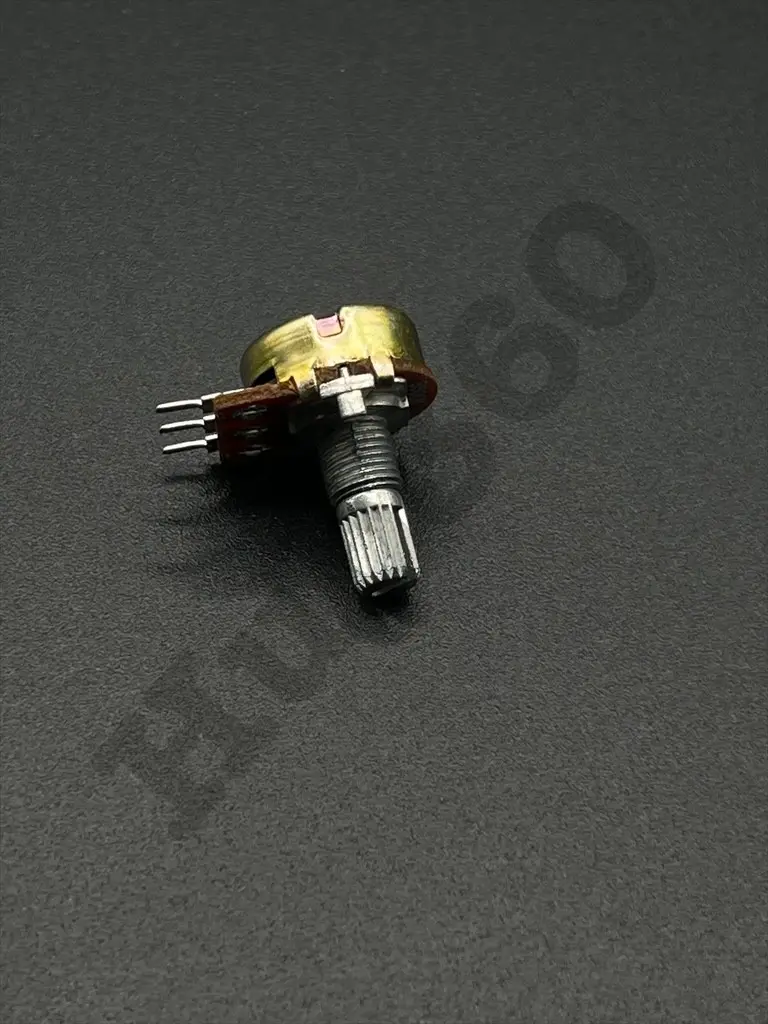
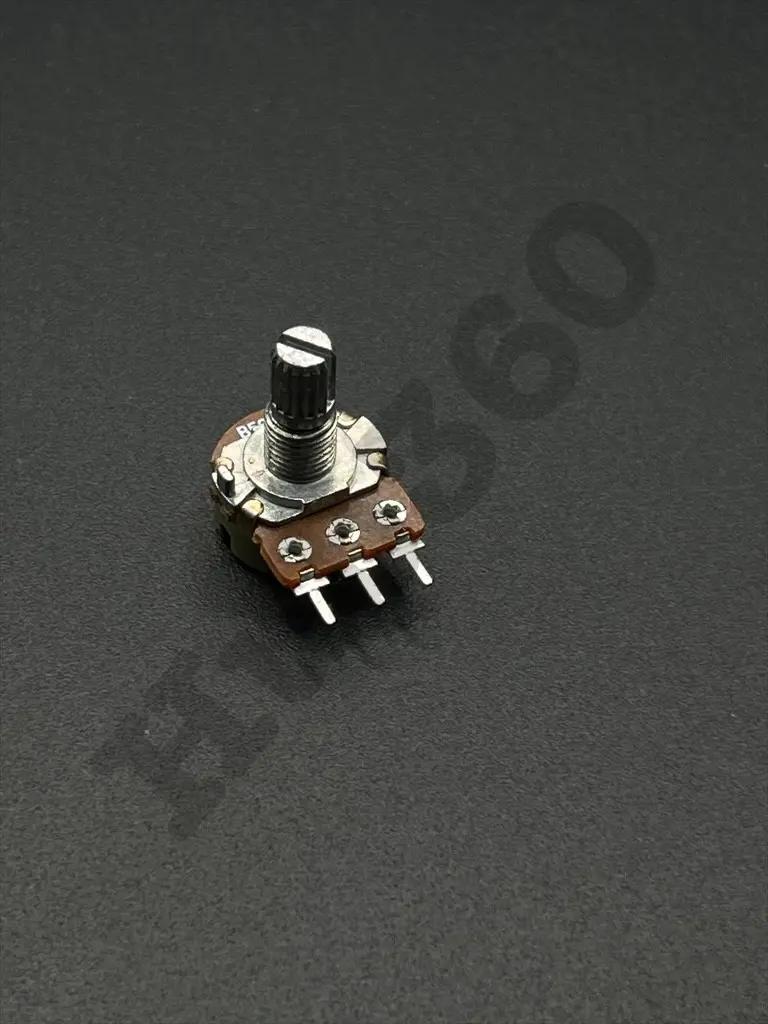
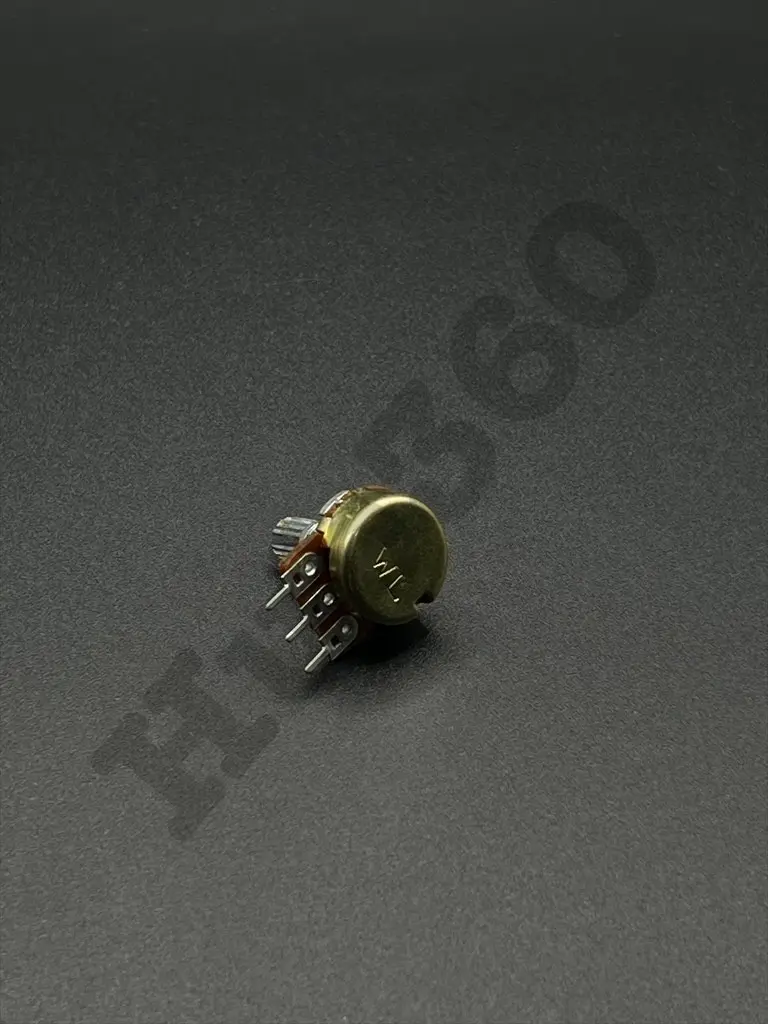
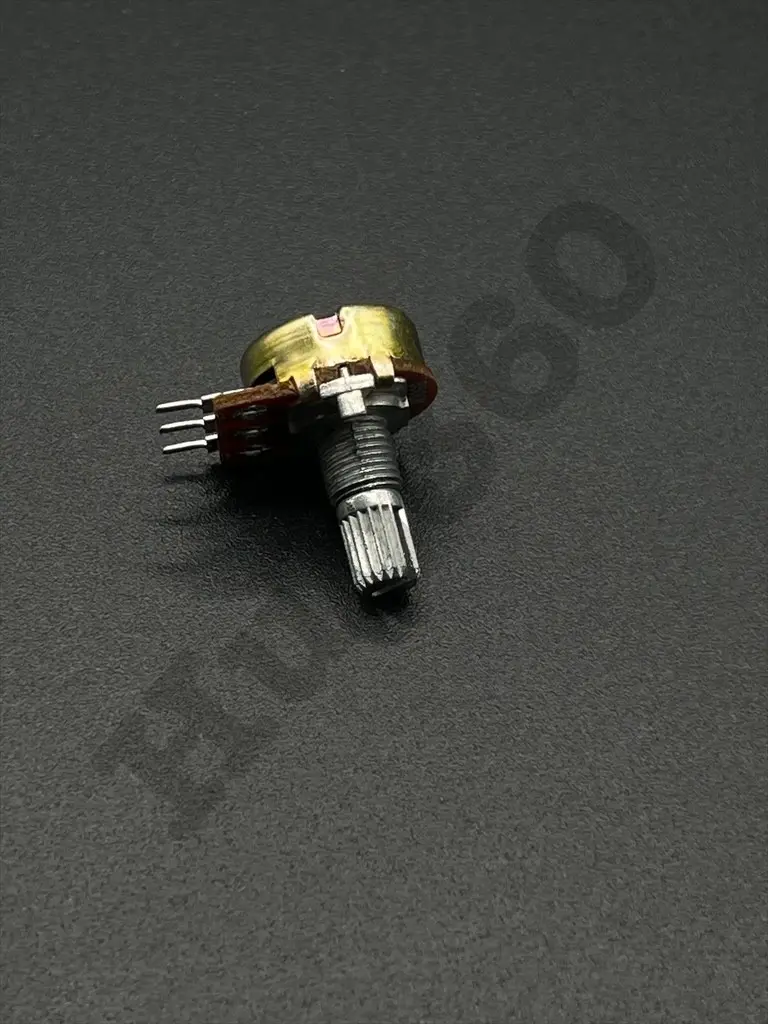

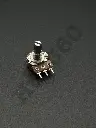


500KΩ Potentiometer
13 sold in last 24 hours
The 500KΩ Potentiometer is a variable resistor with a nominal resistance of 500,000 ohms. It allows for precise adjustments in electronic circuits, making it useful for applications that require fine control over resistance, such as in volume controls, signal tuning, and calibration settings.
Key Features:
- Adjustable resistance range: 0Ω to 500KΩ
- High accuracy and stability
- Available in various forms including rotary and slide types
- Compact design suitable for diverse applications
- Easy integration into both through-hole and surface-mount designs
- Resistance Value: 500KΩ
- Tolerance: ±10%
- Power Rating: Typically 0.5W to 1WÂ
- Adjustment Type: Rotary or Slide
- Temperature Range: -55°C to +125°C
- Package Type: Through-hole or Surface-mount
- Audio equipment for volume control
- Signal tuning and calibration
- Electronic device adjustments
- Brightness and contrast settings
- Integrate the potentiometer into your circuit as per the schematic diagram.
- Adjust the control to achieve the desired resistance value.
- Ensure the potentiometer is securely connected and functions correctly.
- Use for fine-tuning and precise adjustments as needed.
- Avoid excessive mechanical stress during adjustments to prevent damage.
- Verify that the power rating of the potentiometer matches your circuit requirements to prevent overheating.
- Handle with care to avoid internal damage.
No Specifications