





2N3906 Transistor
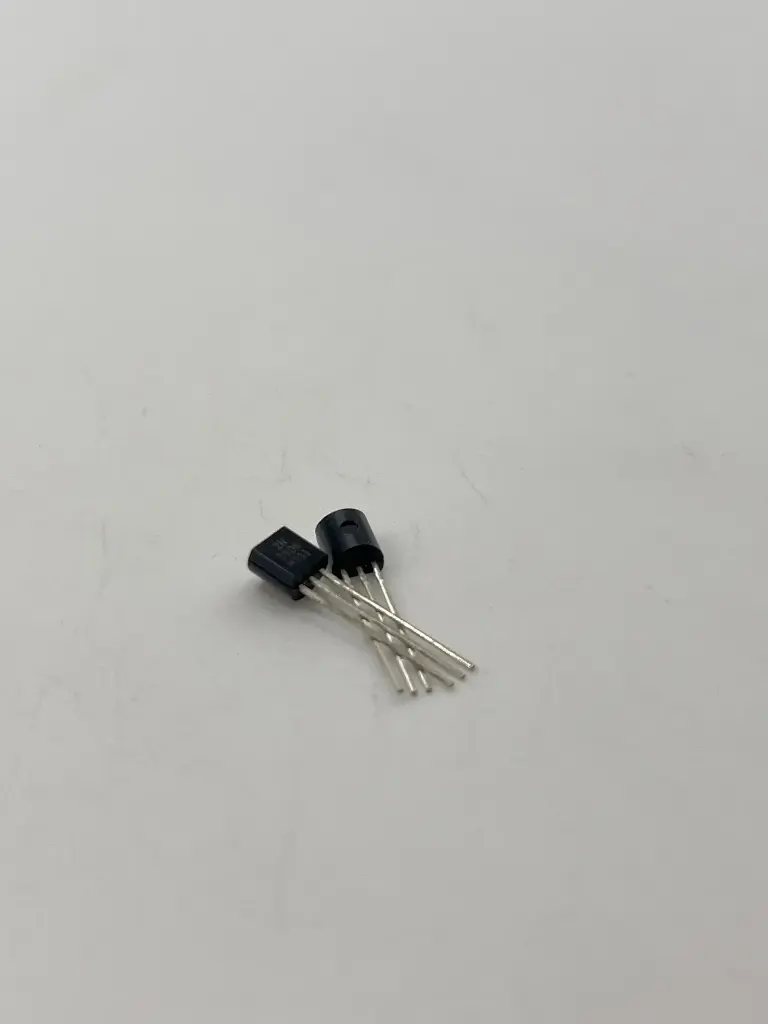
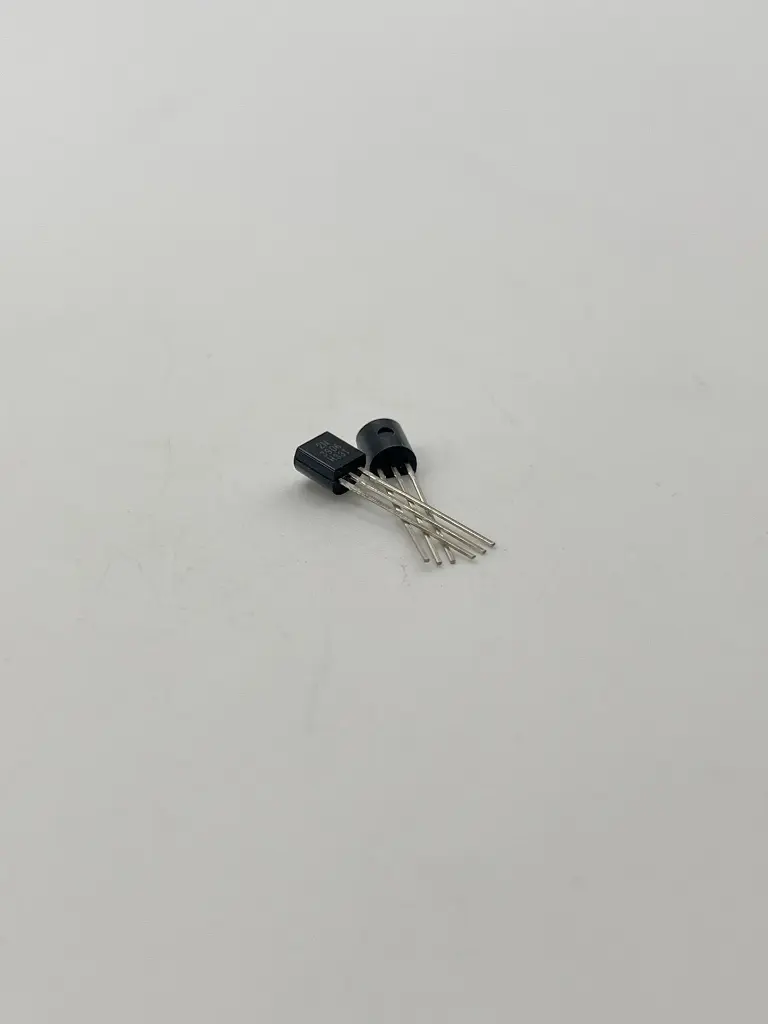
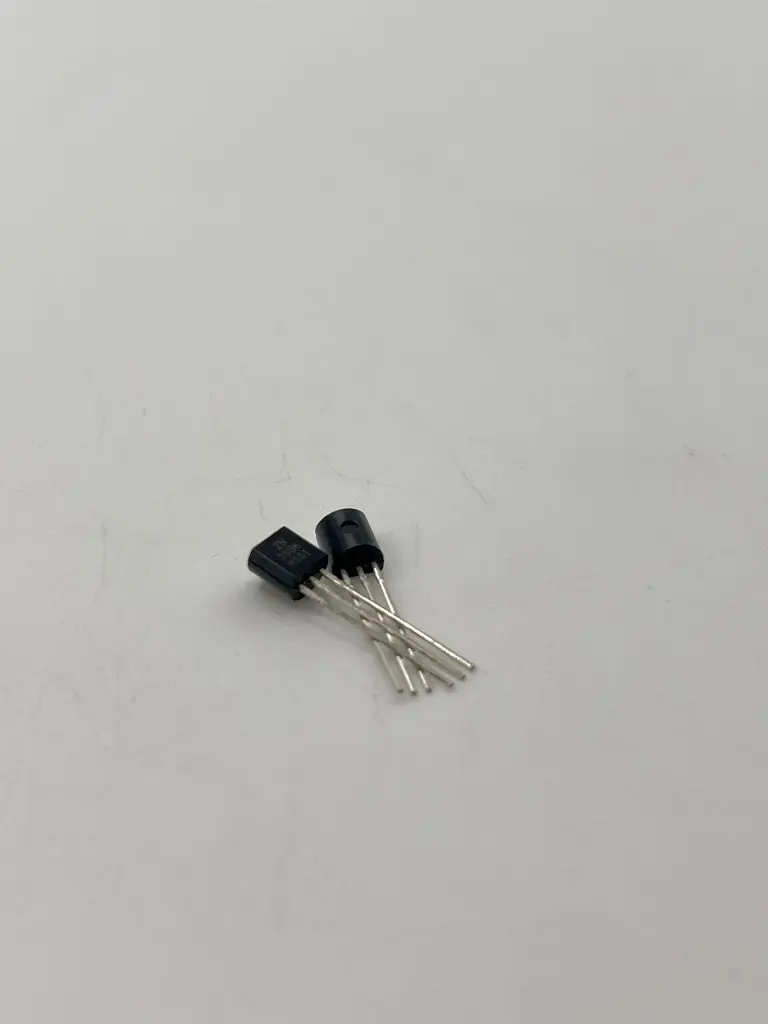
The 2N3906 is a PNP bipolar junction transistor (BJT) designed for general-purpose low-power switching and amplification. It is widely used in various electronic circuits due to its high current gain and low noise characteristics. The 2N3906 is suitable for a range of applications including signal processing, switching, and low-power amplification.
Key Features:
- Type: PNP Bipolar Junction Transistor (BJT)
- High Gain: Provides high current gain (hFE) for effective signal amplification
- Low Noise: Suitable for low-noise applications
- Compact Package: Available in a TO-92 package, ideal for space-constrained designs
- Collector-Emitter Voltage (Vce): -40V
- Collector-Base Voltage (Vcb): -40V
- Emitter-Base Voltage (Veb): -5V
- Collector Current (Ic): -200mA
- Power Dissipation (Ptot): 625mW
- DC Current Gain (hFE): 100 to 300
- Transition Frequency (ft): 250MHz
- Package Type: TO-92
- Signal Amplification: Ideal for use in low-power amplification circuits
- Switching: Suitable for general-purpose switching applications
- Audio Circuits: Effective in audio signal processing and low-power amplification
- General Purpose: Versatile for various electronic applications and projects
- Circuit Design: Integrate the 2N3906 transistor into your circuit based on your specific application requirements.
- Biasing: Properly bias the transistor to ensure optimal performance for amplification or switching.
- Connection: Connect the collector, base, and emitter terminals as per your circuit design.
- Testing: Verify the transistor's operation in your circuit to ensure it functions correctly.
- Voltage and Current Ratings: Adhere to the maximum voltage and current ratings to prevent damage.
- Heat Management: Ensure adequate heat dissipation to avoid overheating, especially in high-current applications.
- Static Electricity: Handle with care to avoid damage from electrostatic discharge (ESD).
No Specifications