
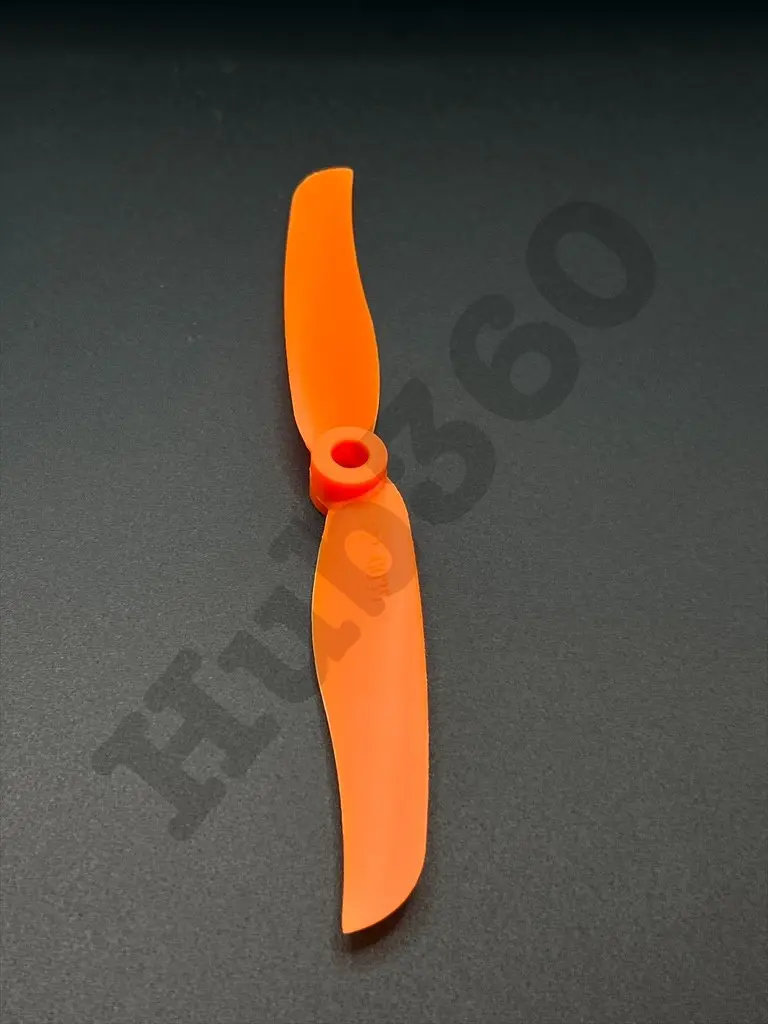
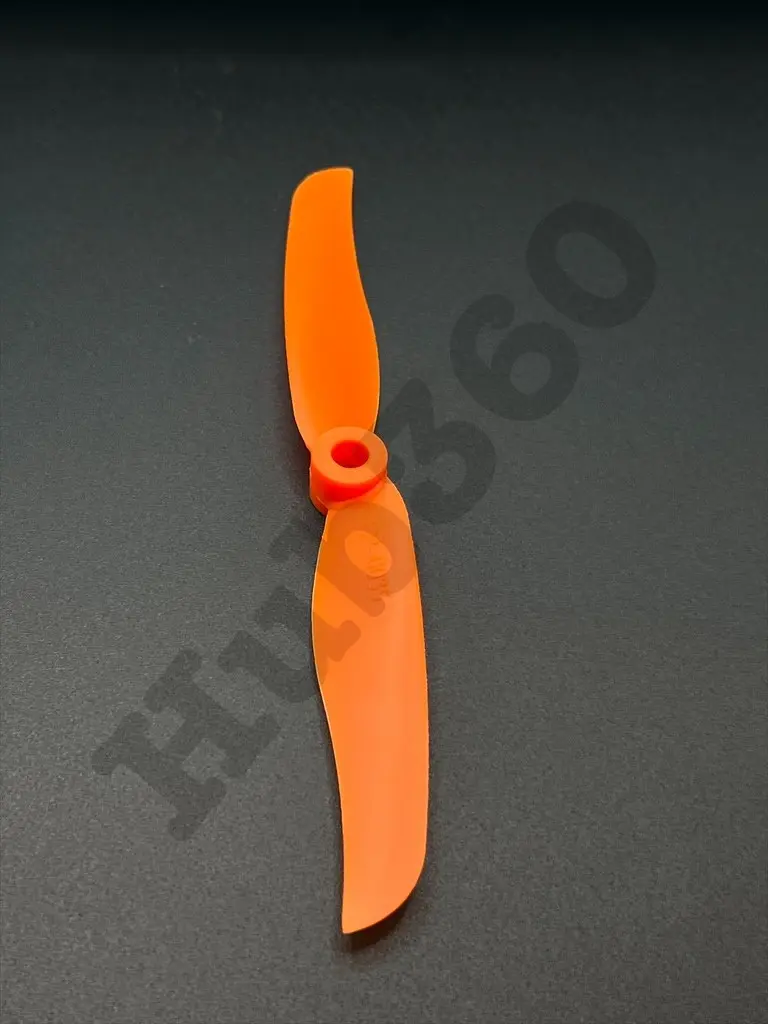
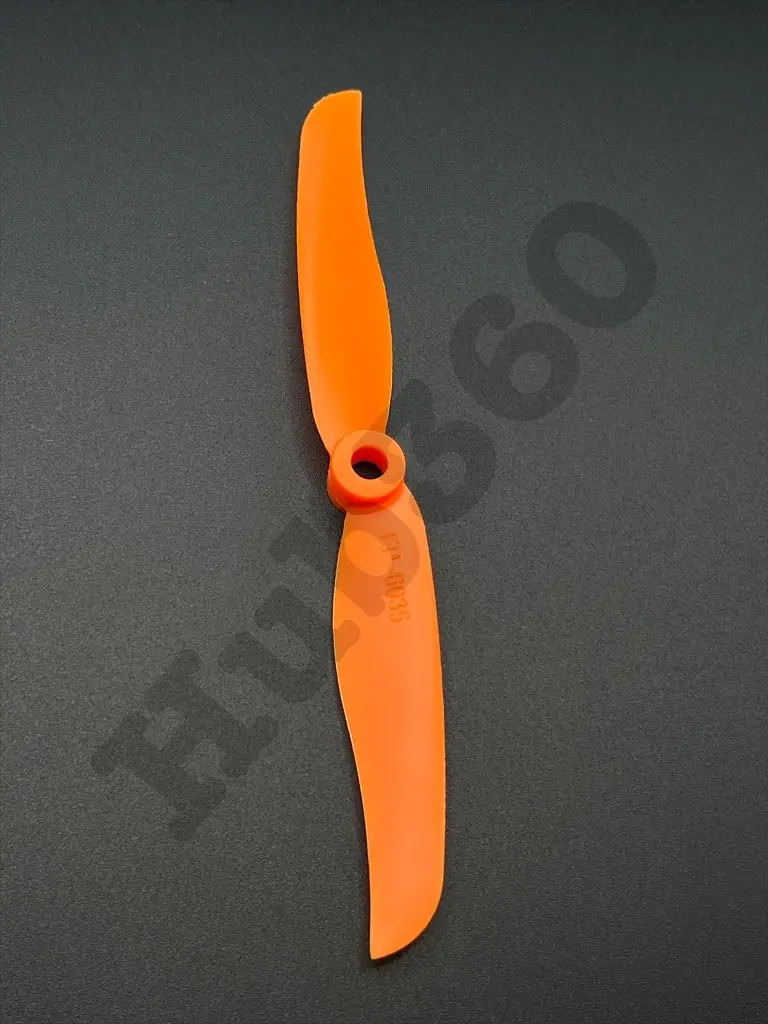
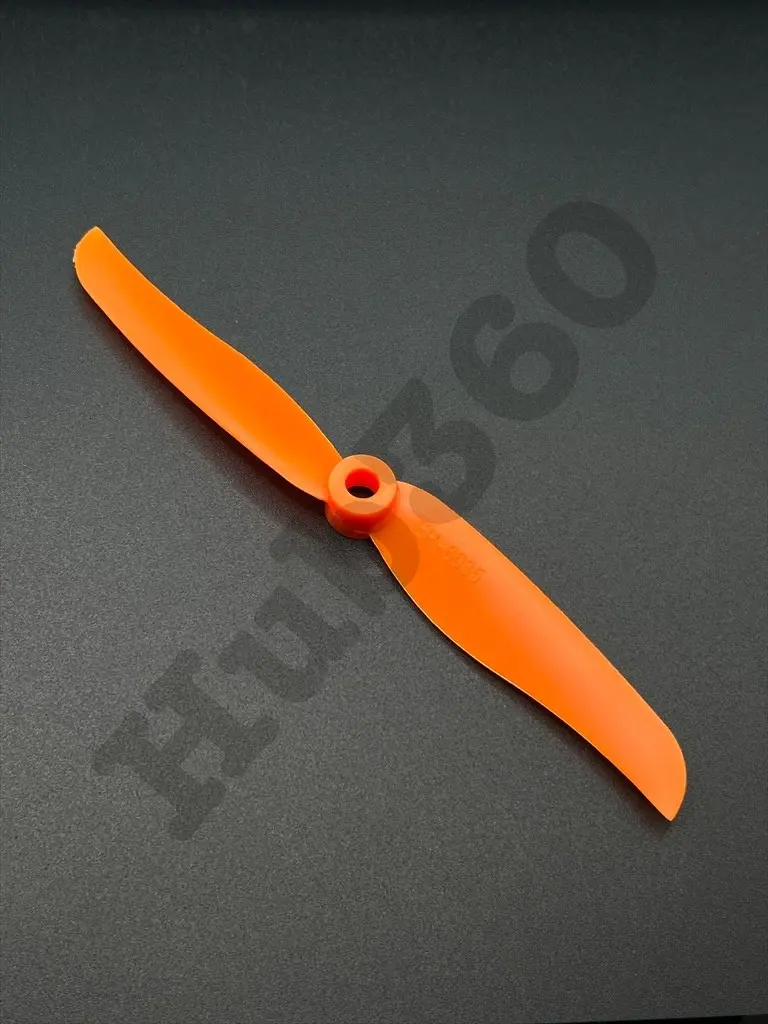
6035 propeller
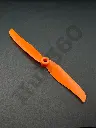
The 6035 Propeller is a precision-crafted propeller designed for use in various remote-controlled aircraft, including drones and quadcopters. The numbers "6035" indicate a 6-inch diameter and a 3.5-inch pitch, offering a balance of thrust and efficiency for smooth and stable flight. This propeller is made from durable materials, ensuring consistent performance and longevity in different flight environments.
Key Features:
- Balanced Performance: Provides stable and efficient flight dynamics
- Durable Construction: Made from high-quality materials to withstand wear and impacts
- Optimal Size: 6-inch diameter and 3.5-inch pitch for balanced thrust and lift
- Easy to Install: Simple attachment and secure fit to motor shafts
- Versatile Application: Suitable for various drones and remote-controlled aircraft
- Diameter: 6 inches
- Pitch: 3.5 inches
- Material: Typically made from nylon, carbon fiber, or composite materials
- Weight: Lightweight for efficient flight performance
- Mounting Hole: Standard size to fit common motor shafts
- Color: Available in various colors (common colors include black, white, and grey)
- Drones and quadcopters
- Remote-controlled aircraft
- DIY drone projects
- Aerial photography and videography platforms
- Racing drones
- Ensure the motor is powered off before installing the propeller.
- Attach the propeller to the motor shaft, ensuring the correct orientation for thrust direction.
- Secure the propeller with the appropriate nut or screw.
- Verify that the propeller is firmly attached and balanced before powering on the motor.
- Perform a test flight to ensure proper operation and performance.
- Handle with care to avoid damaging the propeller blades.
- Inspect for any cracks or deformities before each use.
- Ensure the propeller is securely attached to prevent it from detaching during flight.
- Wear protective gear when handling spinning propellers to avoid injury.
No Specifications