
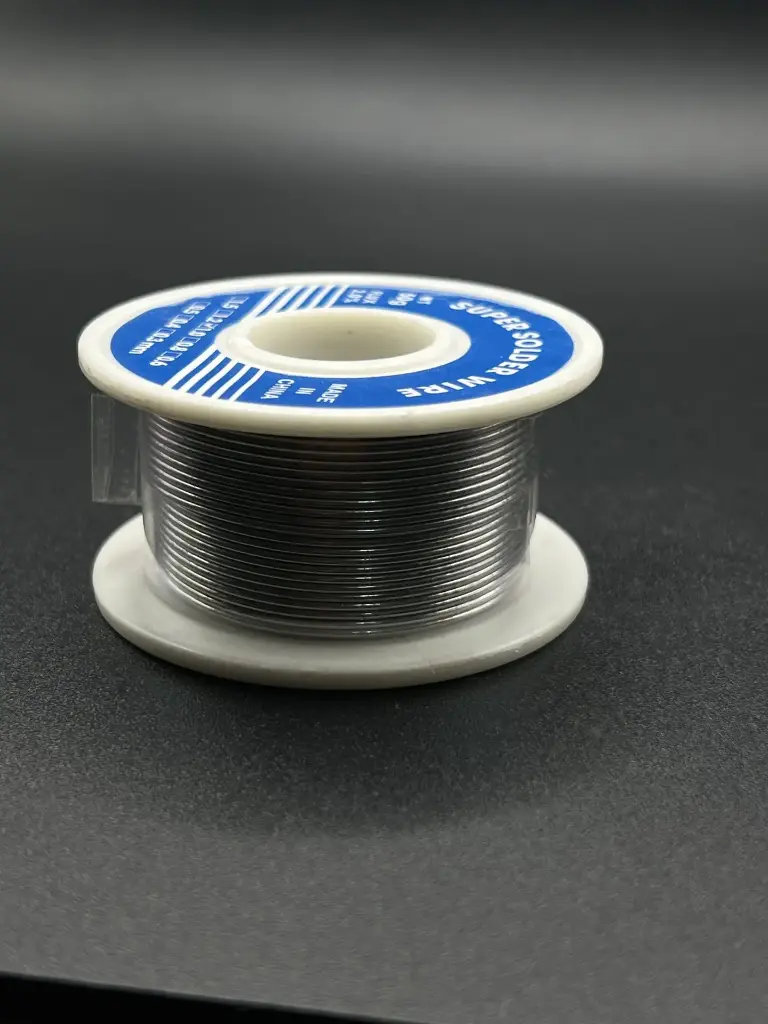
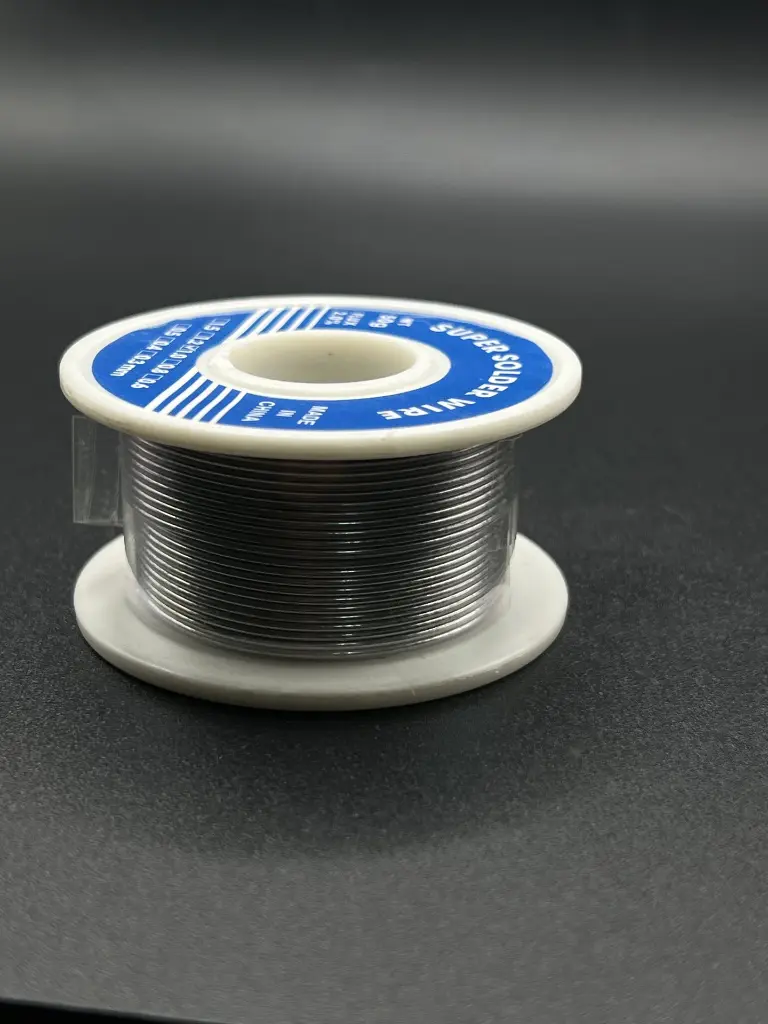
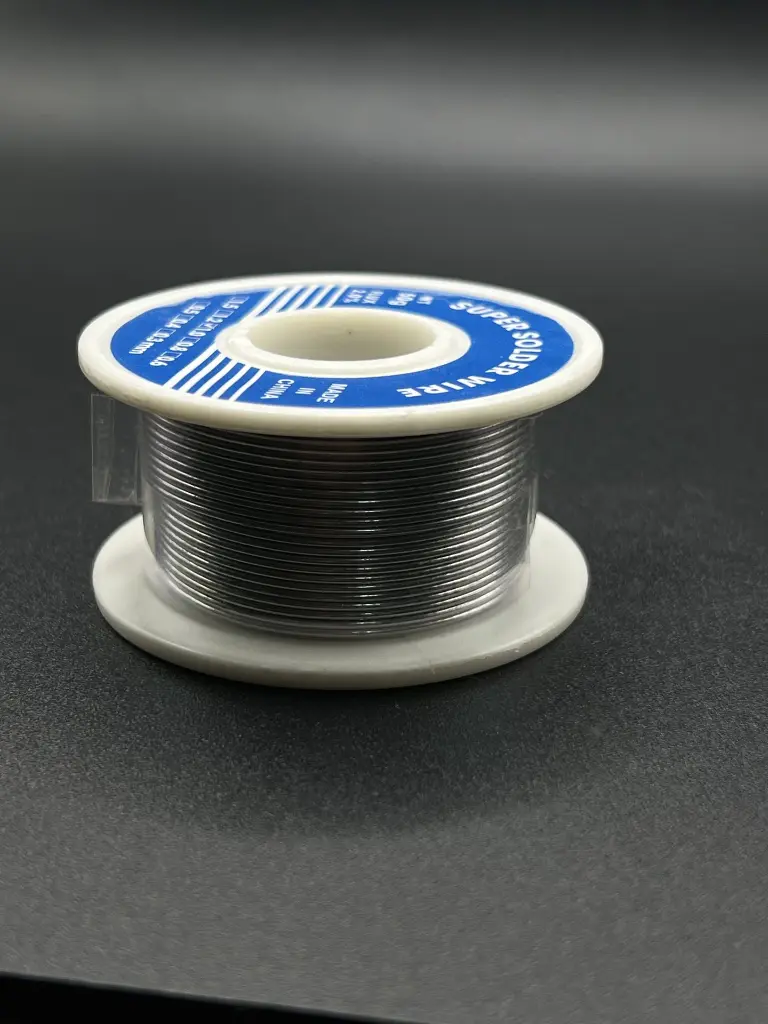
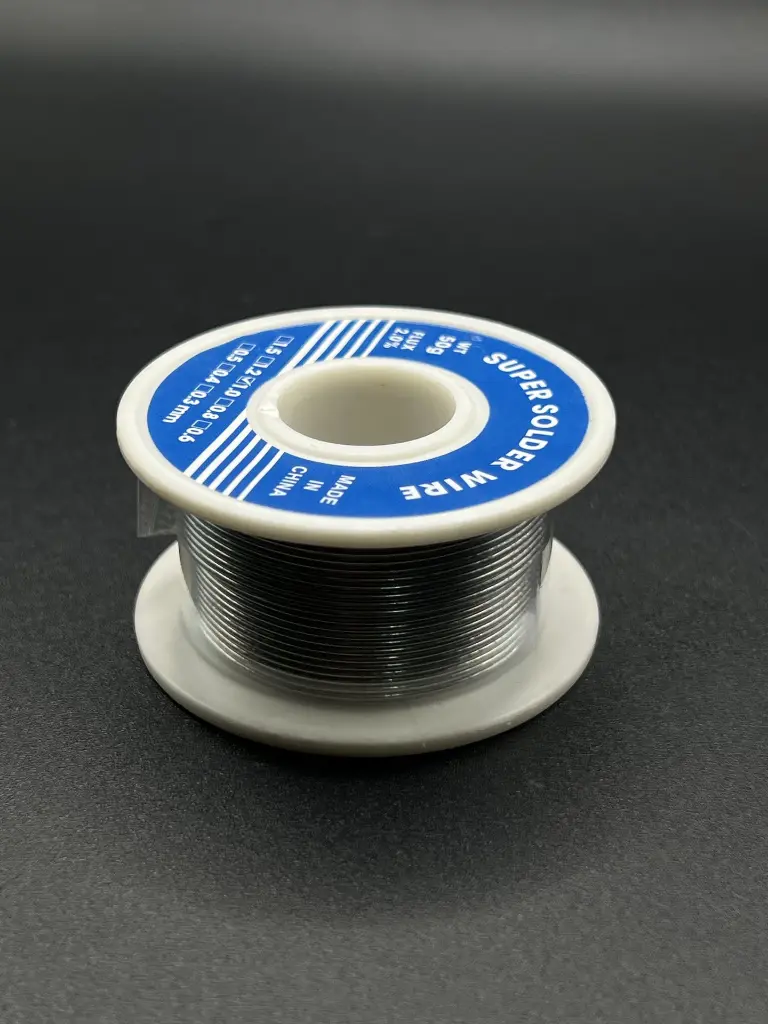
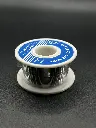
Medium Soldering lead 60/40
11 sold in last 24 hours
Medium Soldering Lead 60/40 is a commonly used solder alloy for electronics and electrical applications. It consists of 60% tin (Sn) and 40% lead (Pb), providing a reliable and effective soldering material for creating strong, conductive joints between electronic components. This solder is favored for its excellent flow characteristics and ease of use in various soldering tasks.
Key Features:
- Alloy Composition: 60% tin, 40% lead for a balanced melting point and flow
- Melting Point: Approximately 183°C (361°F)
- Flux Core: Often contains a rosin or acid flux to aid in solder flow and reduce oxidation
- Good Wetting Properties: Ensures strong and reliable solder joints
- Versatile Use: Suitable for a wide range of electronics and electrical soldering applications
- Alloy Composition: 60% Tin (Sn), 40% Lead (Pb)
- Melting Point: 183°C (361°F)
- Wire Diameter: Medium (typically around 0.8mm to 1.0mm)
- Flux Type: Rosin or acid flux (depending on product)
- Form: Typically available in spools or reels
- Color: Silver with a shiny finish when melted and solidified
- Soldering electronic components onto printed circuit boards (PCBs)
- Electrical connections and repairs
- DIY electronics projects
- Assembly of electronic kits
- Soldering of connectors and terminals
- Heat the soldering iron to the appropriate temperature (typically 350°C for lead-based solder).
- Apply the solder to the joint between the component lead and PCB pad, allowing it to flow and create a strong bond.
- Remove excess solder and ensure a clean, well-formed joint.
- Allow the soldered joint to cool naturally without moving the components.
- Lead-based solder is toxic; avoid inhaling fumes and wash hands after handling.
- Use proper ventilation and soldering equipment to minimize exposure to lead fumes.
- Store solder in a cool, dry place to prevent oxidation and contamination.
No Specifications