
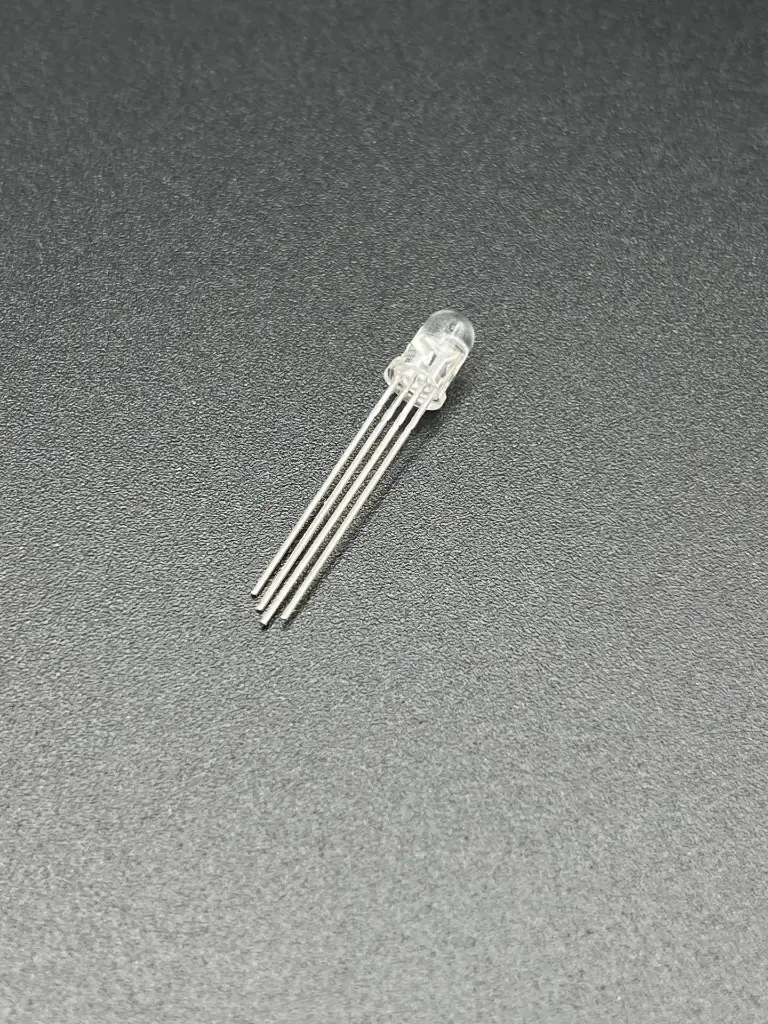
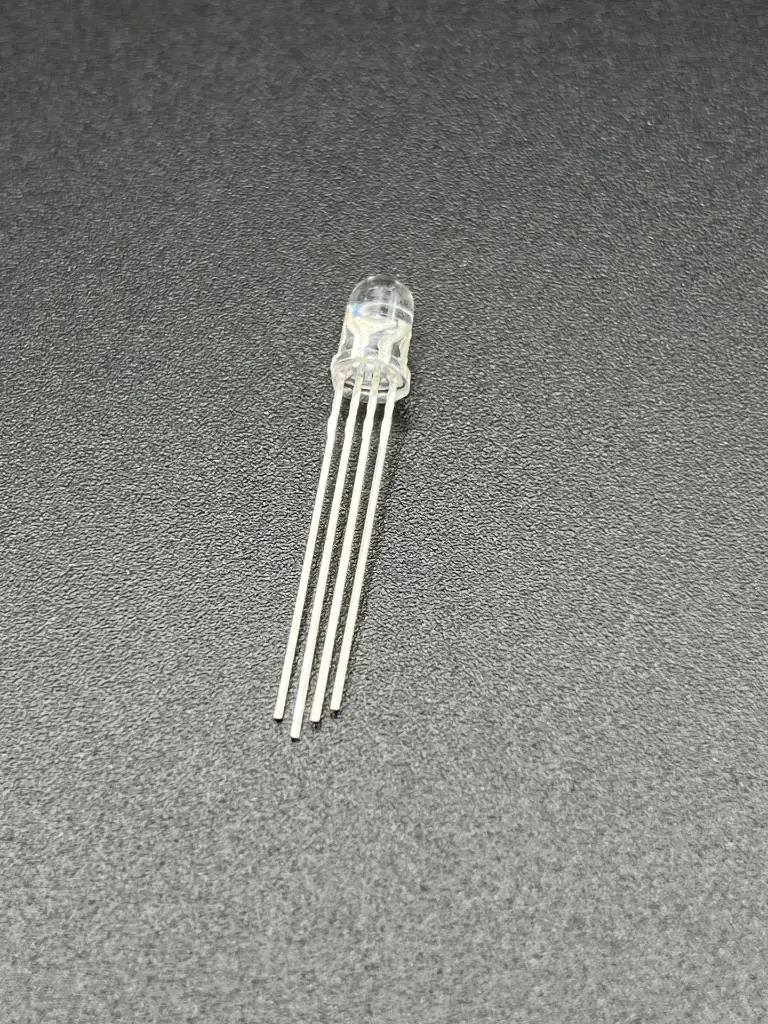
RGB LED
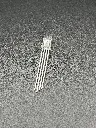
An RGB LED (Red, Green, Blue Light Emitting Diode) is a type of LED that combines three LEDs in one package. Each LED can emit one of the primary colors of light: red, green, or blue. By varying the intensity of each LED, a wide range of colors can be produced. RGB LEDs are commonly used in decorative lighting, displays, and various electronic projects.
Key Features:
- Combines red, green, and blue LEDs in a single package
- Can produce a wide range of colors by mixing the three primary colors
- Common anode or common cathode configurations available
- Suitable for PWM (Pulse Width Modulation) control
- Long life and low power consumption
- Compatible with various microcontroller platforms (e.g., Arduino, Raspberry Pi)
- Type: RGB LED
- Package: 5mm or 10mm (varies by product)
- Configuration: Common Anode or Common Cathode
- Forward Voltage:
- Red: 2.0V - 2.2V
- Green: 3.0V - 3.2V
- Blue: 3.0V - 3.2V
- Forward Current: 20mA per color
- Luminous Intensity:
- Red: Typically 800 mcd
- Green: Typically 1500 mcd
- Blue: Typically 500 mcd
- Viewing Angle: 30-60 degrees
- Wavelength:
- Red: 620-630 nm
- Green: 515-530 nm
- Blue: 460-475 nm
- Decorative lighting
- Displays and indicators
- RGB color mixing
- DIY electronics projects
- Mood lighting
- Light shows and effects
- Connection:
- Identify the anode (longest lead) and the three cathodes (shorter leads) if using a common anode RGB LED, or the cathode (longest lead) and the three anodes if using a common cathode RGB LED.
- Connect the common lead (anode or cathode) to the appropriate voltage supply or ground.
- Connect the red, green, and blue leads to the respective control signals or PWM outputs of a microcontroller.
- Control:
- Use digital output pins or PWM signals to control the intensity of each color.
- Adjust the duty cycle of the PWM signals to mix the colors and produce various hues.
- Programming:
- Write code to control the RGB LED, adjusting the brightness of each color channel to achieve the desired color output.
- Ensure proper current limiting resistors are used to prevent excessive current through the LEDs.
- Verify the forward voltage and current ratings to avoid damaging the LEDs.
- Handle the LED carefully to avoid bending the leads or damaging the package.
No Specifications