
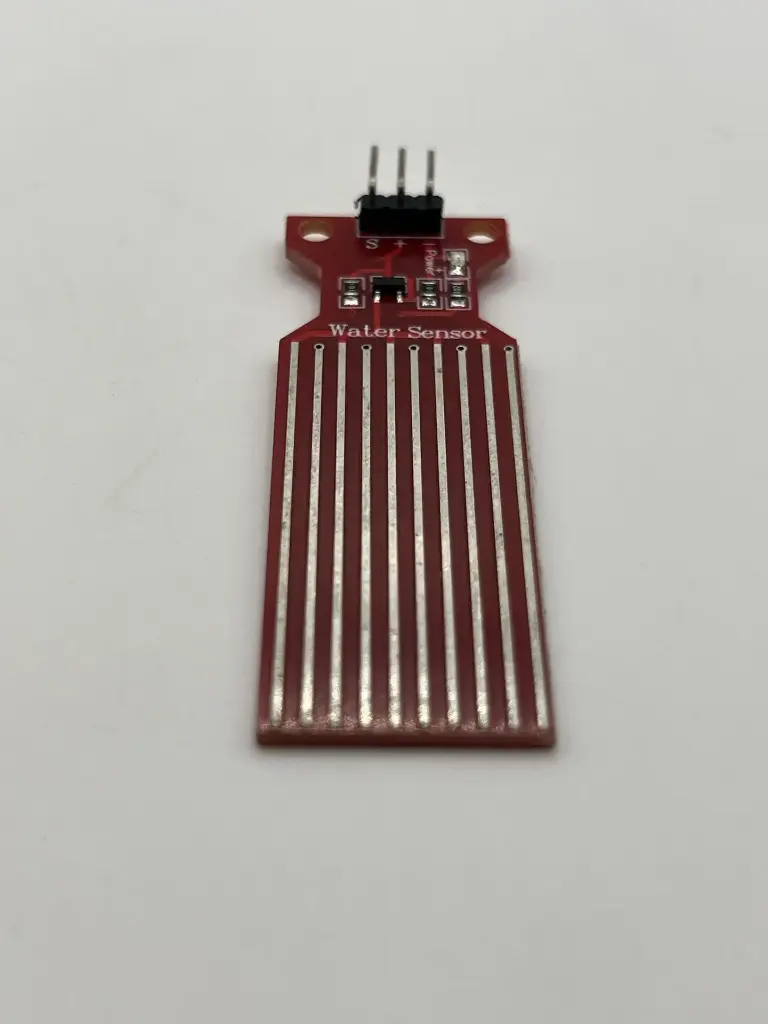
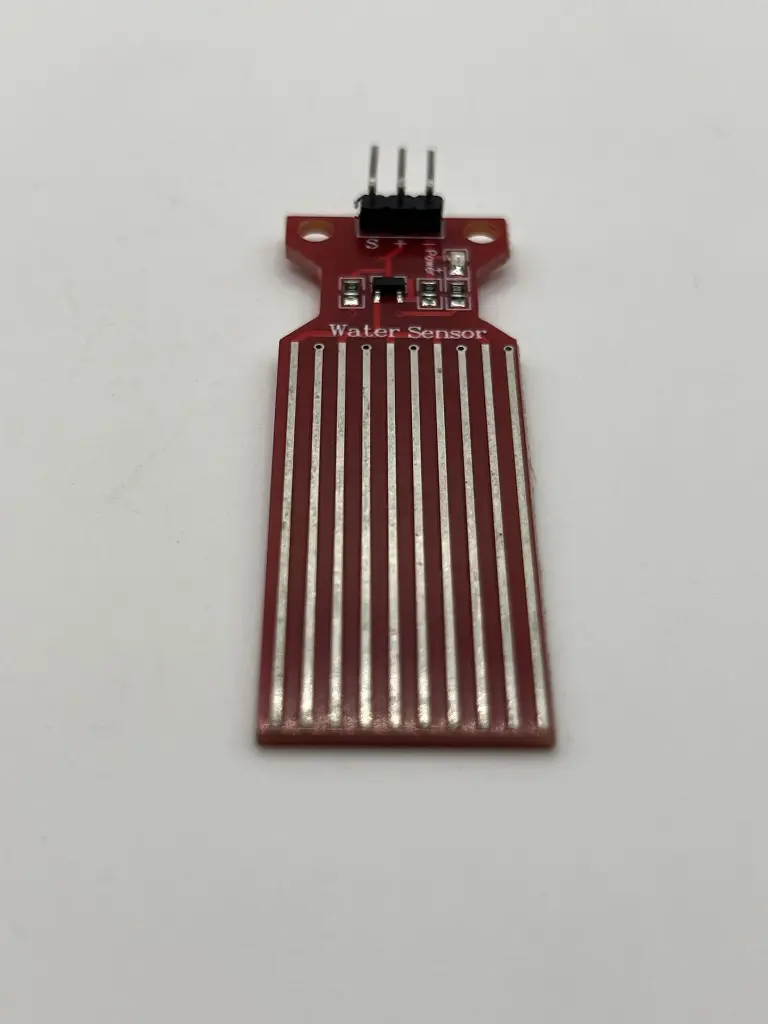
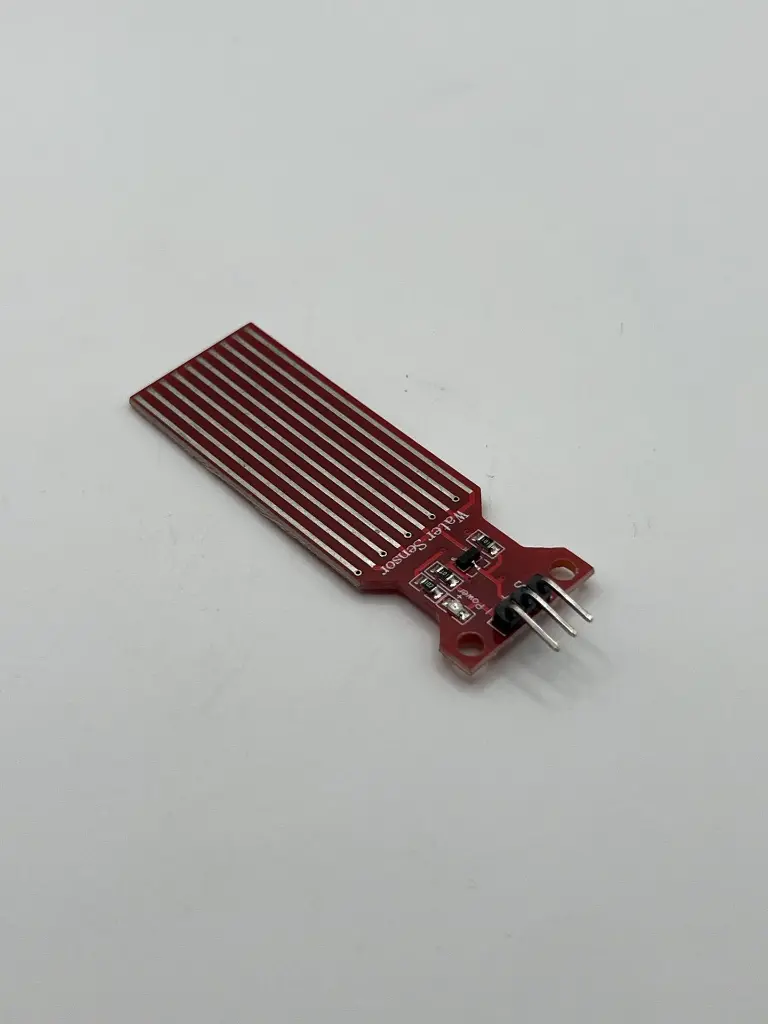
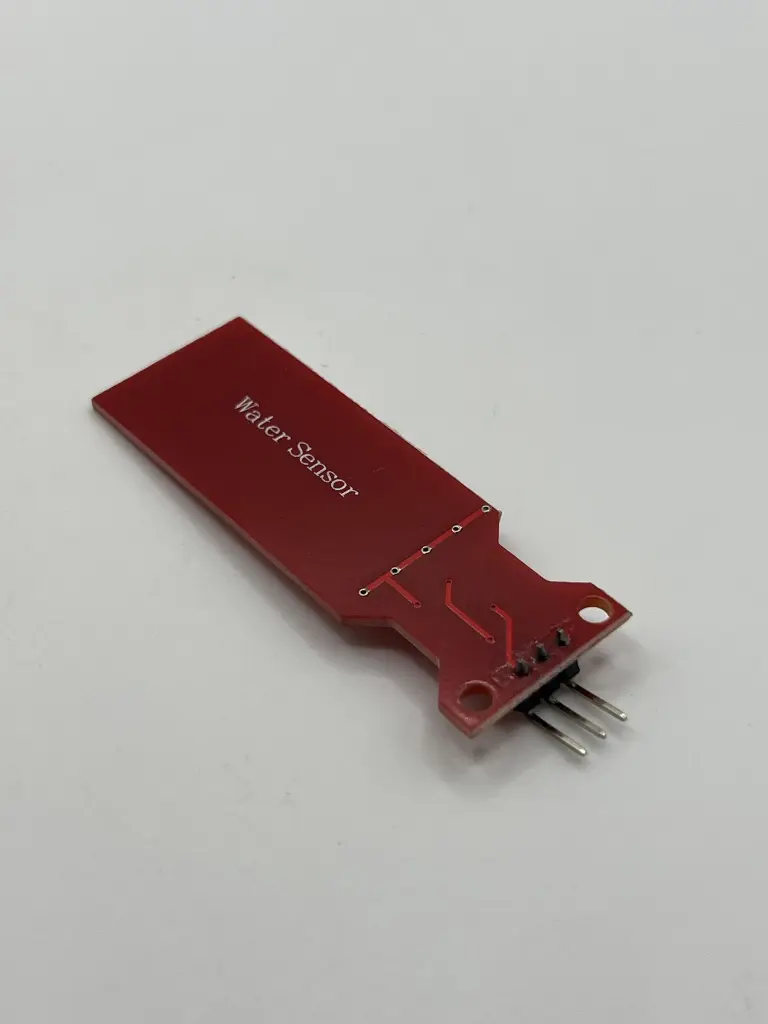
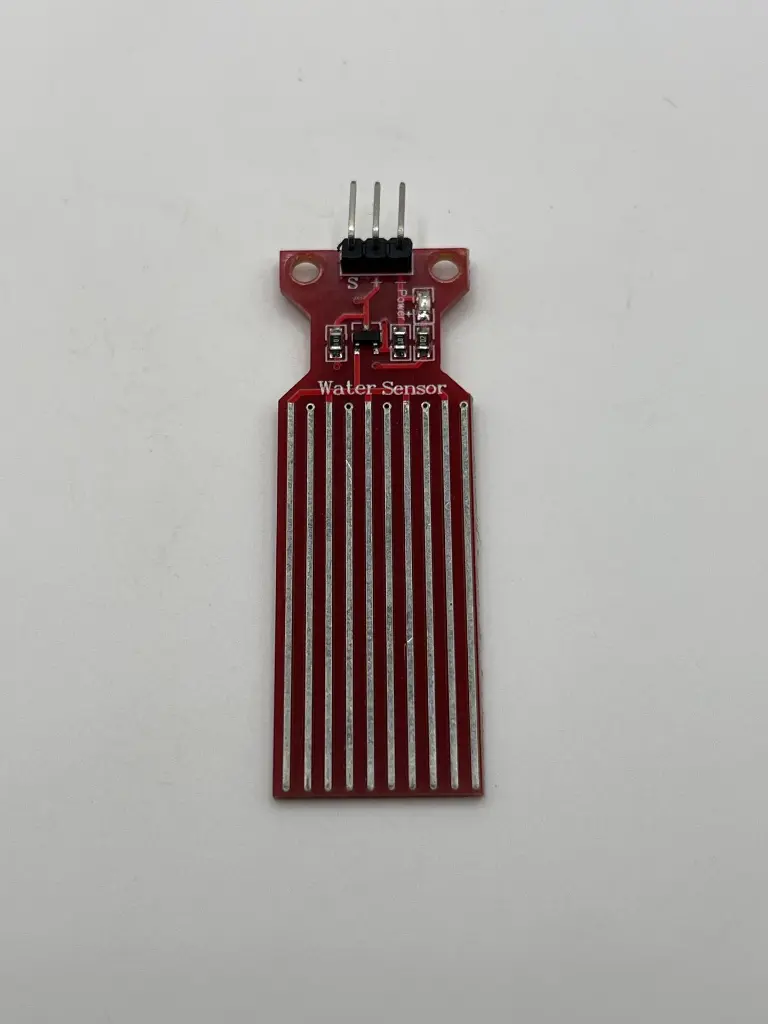
Water level sensor
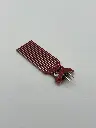
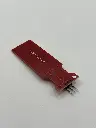
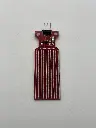
The Water Level Sensor is an electronic device used to detect the level of water in a container or tank. It can be used for various applications such as water tank level monitoring, water conservation systems, and automatic watering systems. The sensor typically consists of a series of parallel conductive traces that detect the presence of water when it bridges the gaps between them.
Key Features:
- Easy to use and install
- Compatible with various microcontrollers
- Provides both analog and digital outputs
- High sensitivity to water level changes
- Low power consumption
- Durable and waterproof design
- Operating Voltage: 3.3V to 5V
- Output Type: Analog (variable voltage) and Digital (High/Low)
- Current Consumption: <20 mA
- Detection Range: 0-100% of the sensor length
- Response Time: <500 ms
- Dimensions: Varies by model, typically small and compact (e.g., 45mm x 20mm)
- Operating Temperature Range: -10°C to +70°C
- Water tank level monitoring
- Water conservation systems
- Automatic watering systems
- Sump pump control
- Liquid level monitoring in industrial processes
- Power Connection: Connect the VCC and GND pins to a suitable power source (3.3V or 5V).
- Output Connection: Connect the analog output pin to an analog input of a microcontroller for variable level detection or the digital output pin to a digital input for threshold detection.
- Integration: Place the sensor in the water container or tank at the desired level to monitor the water level.
- Programming: Write software to read the sensor's output and take appropriate actions based on the water level detected.
- Ensure the sensor is properly sealed and waterproof to prevent damage.
- Avoid using the sensor in highly acidic or alkaline water, as it can corrode the conductive traces.
- Follow the manufacturer’s guidelines for installation and operation.
No Specifications