
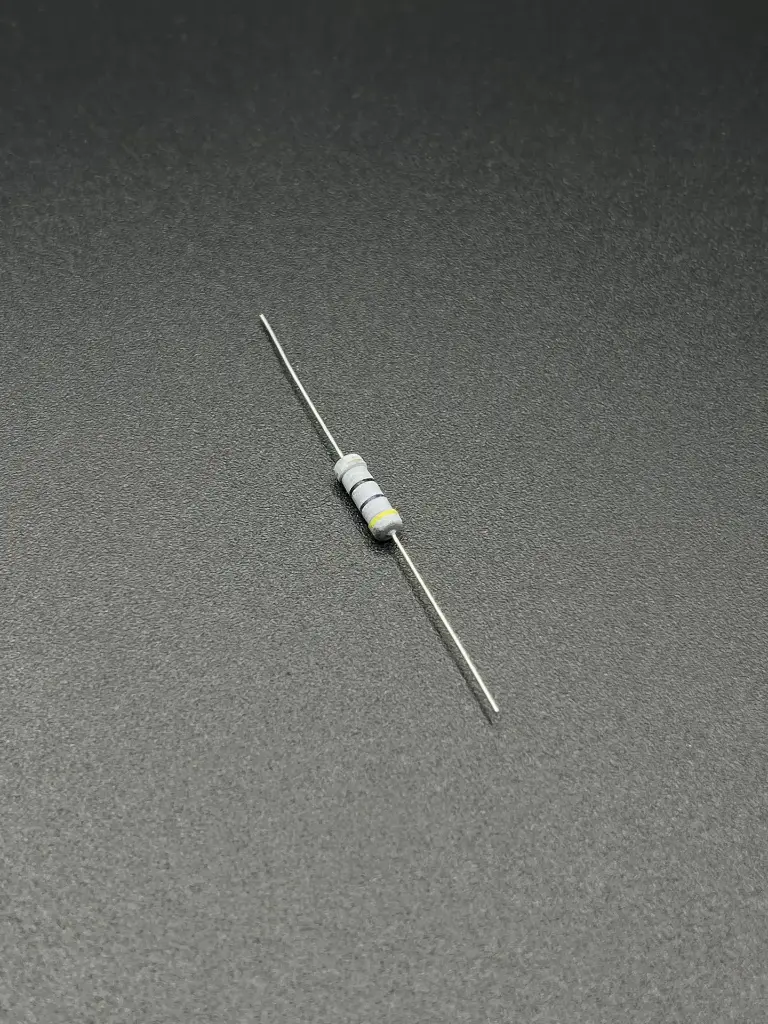
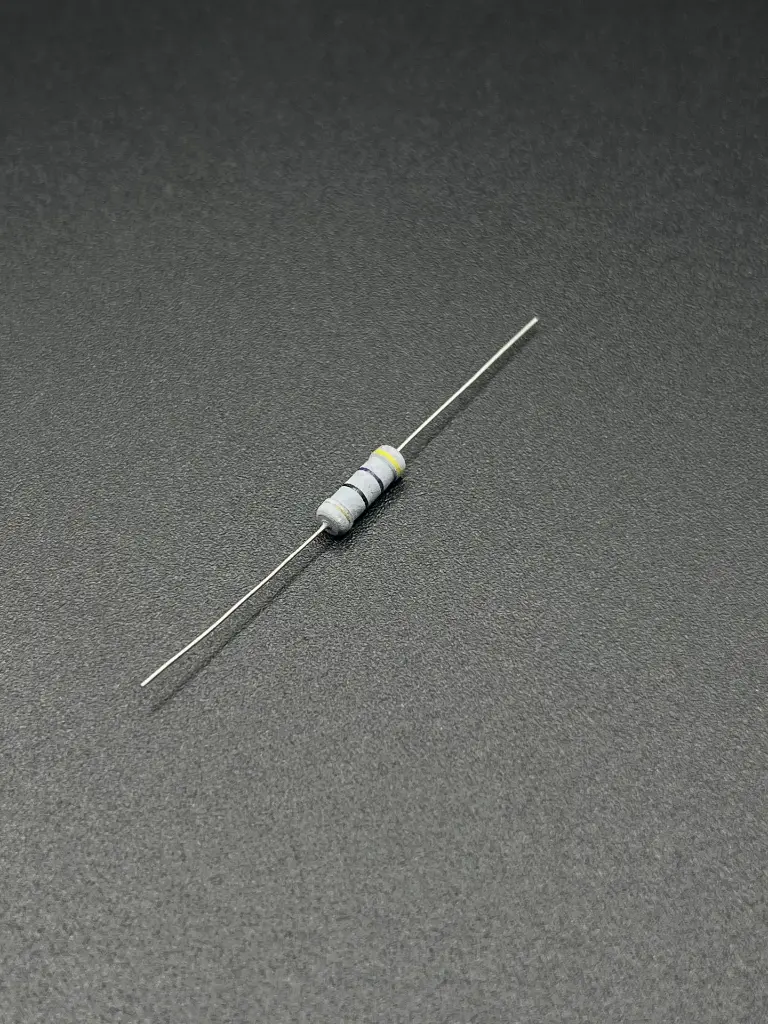
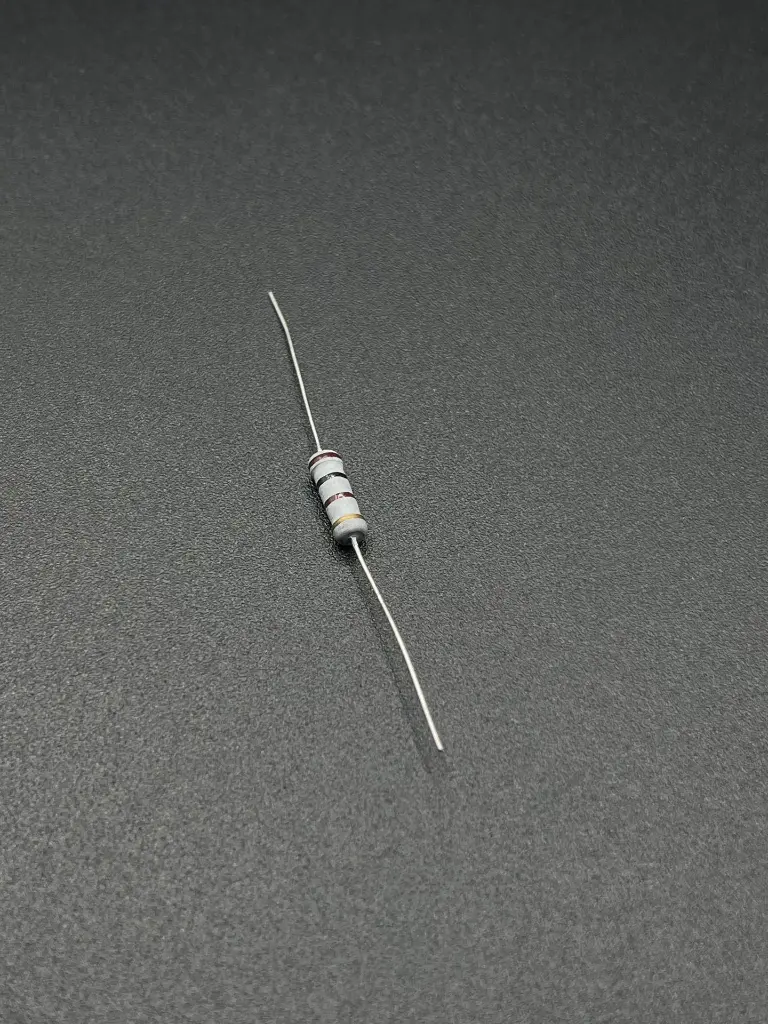
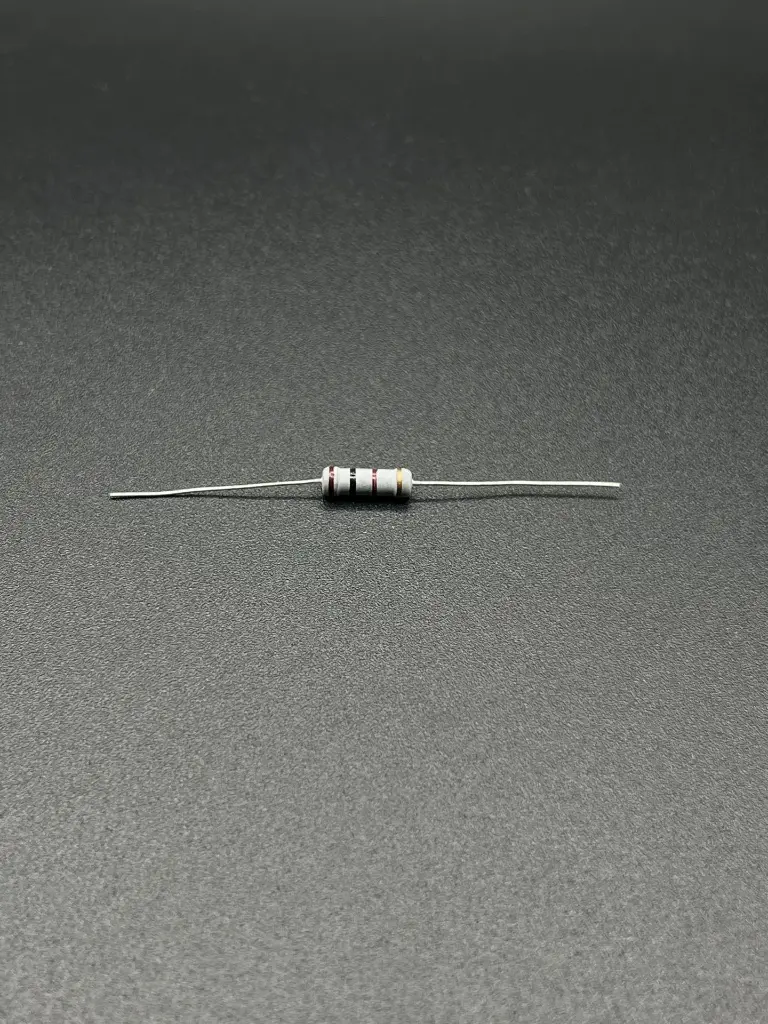
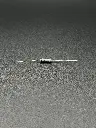
100Ω 1W resistor
A 100Ω 1W resistor is a fixed resistor with a resistance value of 100 ohms and a power rating of 1 watt. It is designed to limit current and drop voltage in electronic circuits. With its 1-watt power rating, it is suitable for applications where moderate power dissipation is required.
Key Features:
- Resistance value: 100Ω (ohms)
- Power rating: 1W (watt)
- Tolerance: ±5% (typical)
- Axial leaded design for through-hole mounting
- High power dissipation capability
- Flame-retardant coating
- Stable performance with low noise
- Resistance: 100Ω
- Power Rating: 1W
- Tolerance: ±5% (other tolerances available upon request)
- Temperature Coefficient: ±200 ppm/°C (typical)
- Operating Temperature Range: -55°C to +155°C
- Maximum Working Voltage: 250V
- Body Dimensions: Approximately 10 mm length x 4 mm diameter
- Lead Diameter: Approximately 0.8 mm
- Power Supplies: Limiting current and voltage drop in power regulation circuits
- Audio Equipment: Reducing noise and stabilizing performance in audio amplifiers
- Industrial Controls: Managing power dissipation in control systems
- Lighting: Current limiting in LED drivers and lighting circuits
- General Electronics: Used in various electronic circuits requiring moderate power resistors
- Identify the required resistance value and power rating for your circuit.
- Insert the resistor into the PCB or breadboard, ensuring correct orientation for through-hole components.
- Solder the leads in place if necessary, ensuring a secure and reliable connection.
- Verify the connections and test the circuit to ensure proper functionality.
- Ensure the resistor's power rating is adequate for your application to prevent overheating.
- Handle with care to avoid damaging the resistor or its leads.
No Specifications