

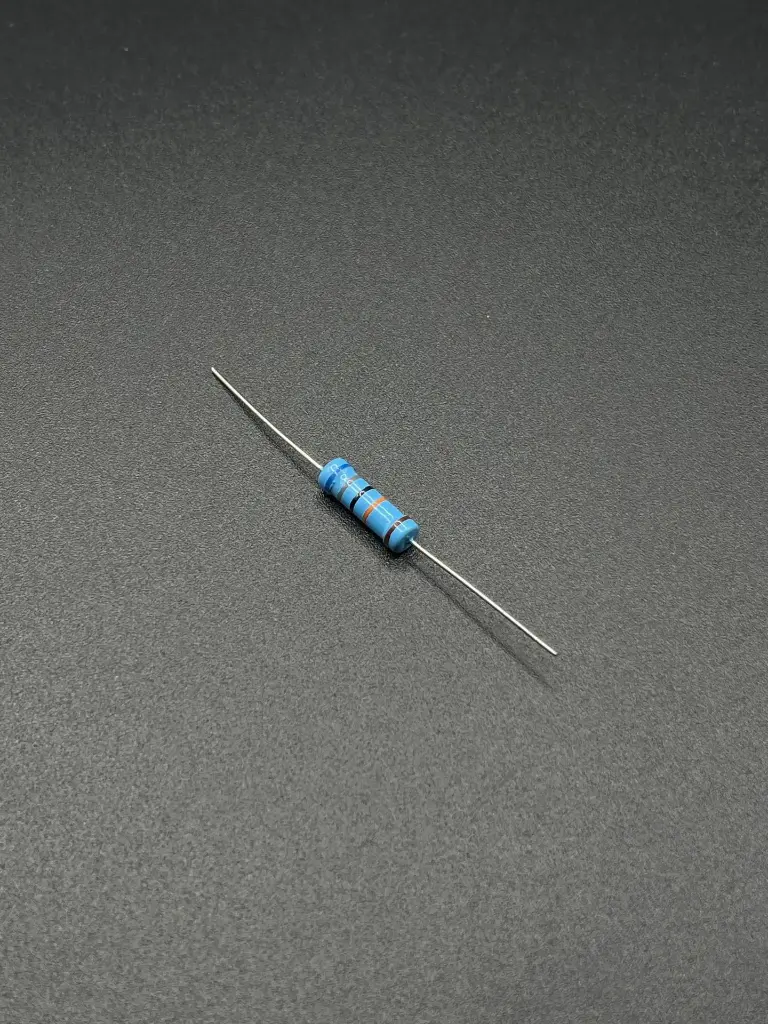
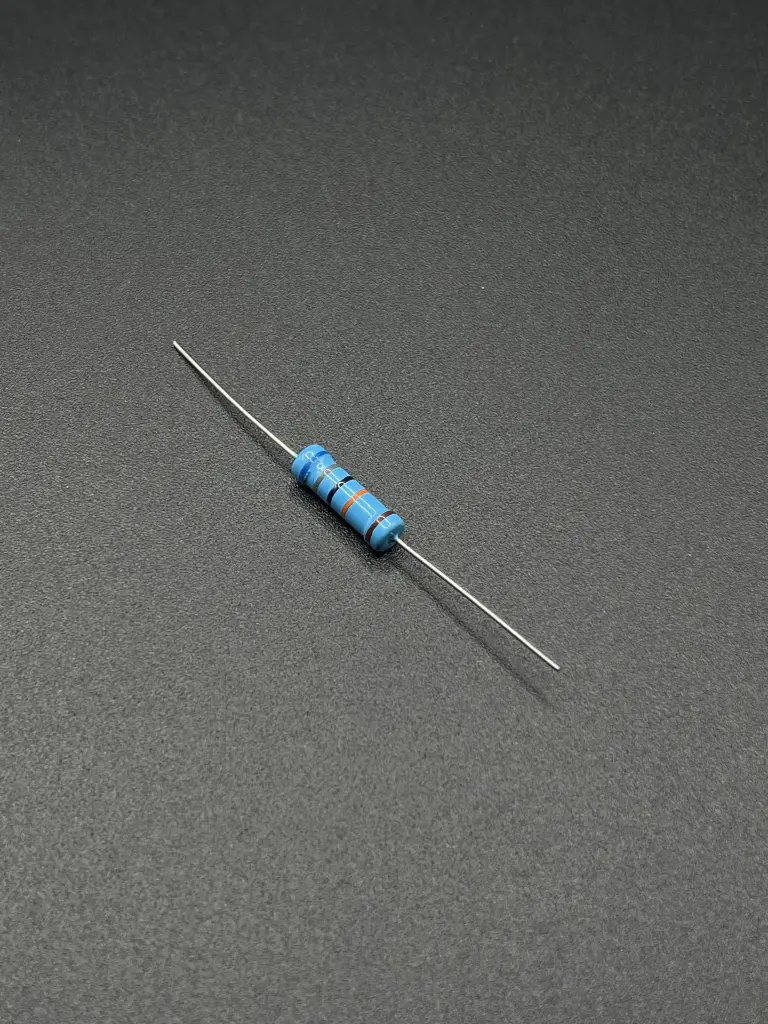
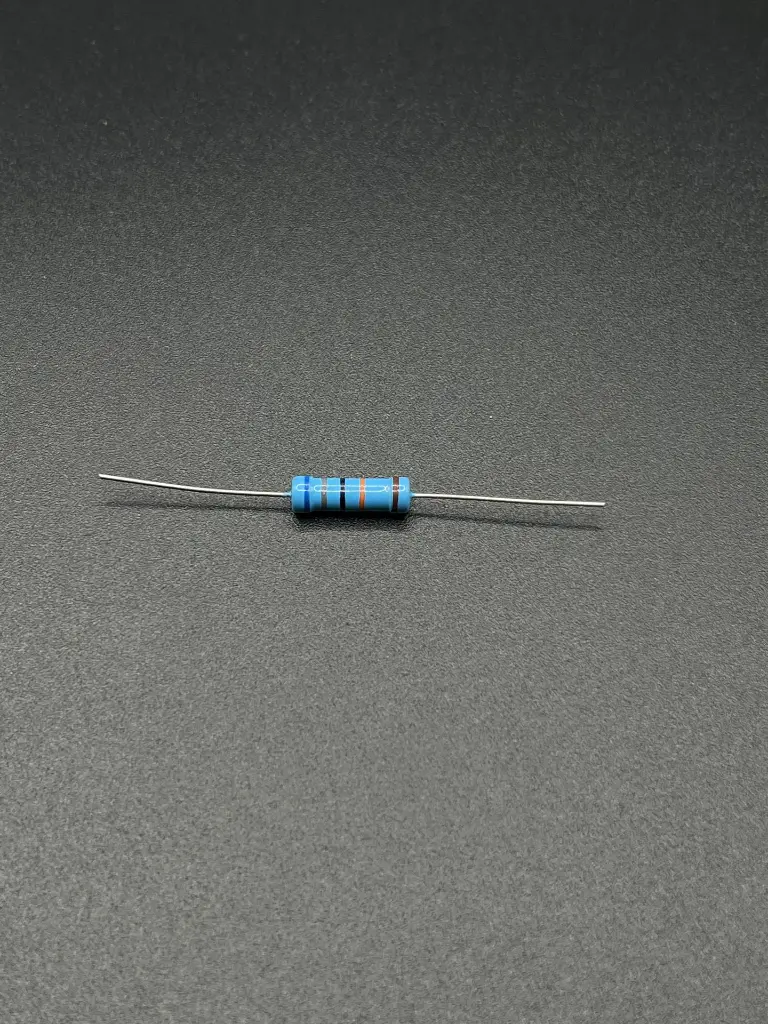
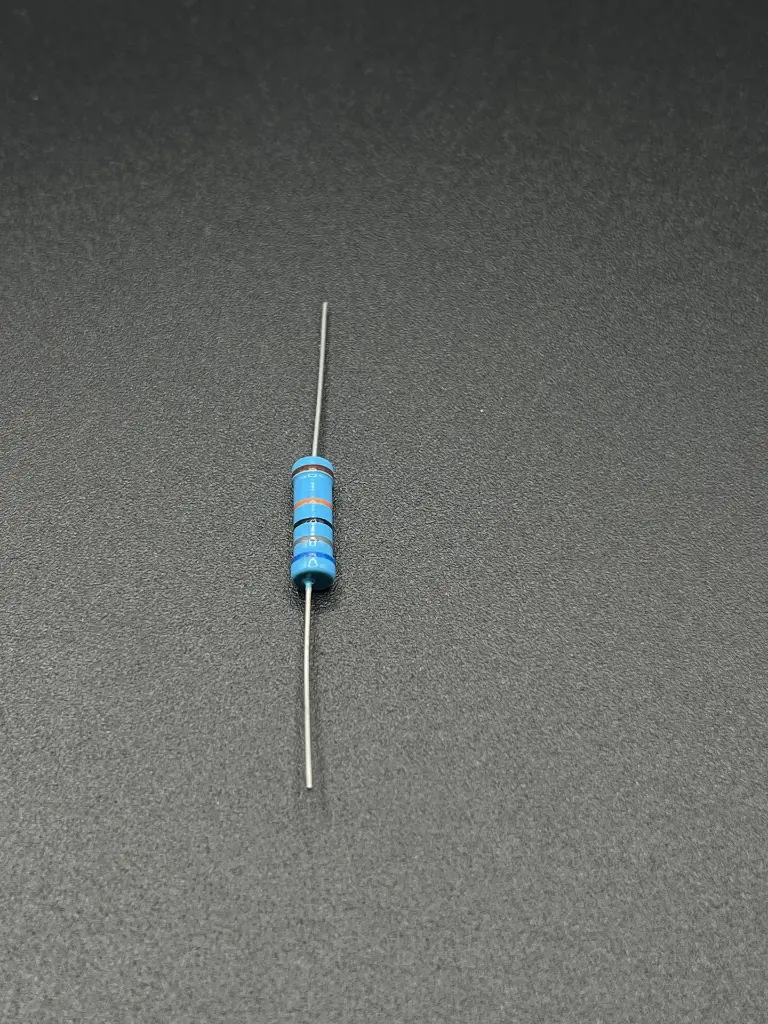

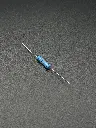
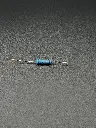
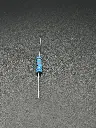
680KΩ 2W resistor
A 680KΩ 2W resistor is a fixed resistor with a resistance value of 680,000 ohms and a power rating of 2 watts. This resistor is suitable for high power applications where significant power dissipation is required. It is commonly used in power supplies, amplifiers, and various electronic circuits to limit current and drop voltage.
Key Features:
- Resistance value: 680KΩ (680,000 ohms)
- Power rating: 2W (watts)
- Tolerance: ±5% (typical)
- Axial leaded design for through-hole mounting
- High power dissipation capability
- Flame-retardant coating
- Stable performance with low noise
- Resistance: 680KΩ
- Power Rating: 2W
- Tolerance: ±5% (other tolerances available upon request)
- Temperature Coefficient: ±200 ppm/°C (typical)
- Operating Temperature Range: -55°C to +155°C
- Maximum Working Voltage: 500V
- Body Dimensions: Approximately 15 mm length x 5 mm diameter
- Lead Diameter: Approximately 0.8 mm
- Power Supplies: Limiting current and voltage drop in power regulation circuits
- Audio Equipment: Reducing noise and stabilizing performance in audio amplifiers
- Industrial Controls: Managing power dissipation in control systems
- Lighting: Current limiting in LED drivers and lighting circuits
- General Electronics: Used in various electronic circuits requiring higher power resistors
- Identify the required resistance value and power rating for your circuit.
- Insert the resistor into the PCB or breadboard, ensuring correct orientation for through-hole components.
- Solder the leads in place if necessary, ensuring a secure and reliable connection.
- Verify the connections and test the circuit to ensure proper functionality.
- Ensure the resistor's power rating is adequate for your application to prevent overheating.
- Handle with care to avoid damaging the resistor or its leads.
- Avoid exceeding the maximum working voltage and power dissipation limits.
No Specifications