
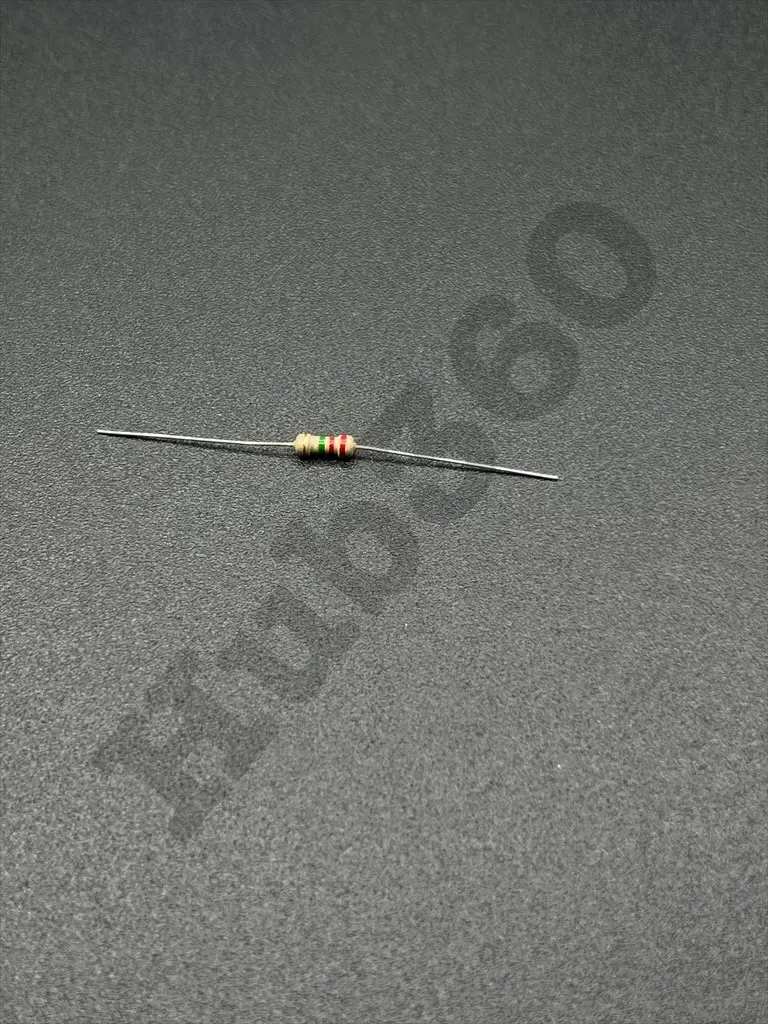
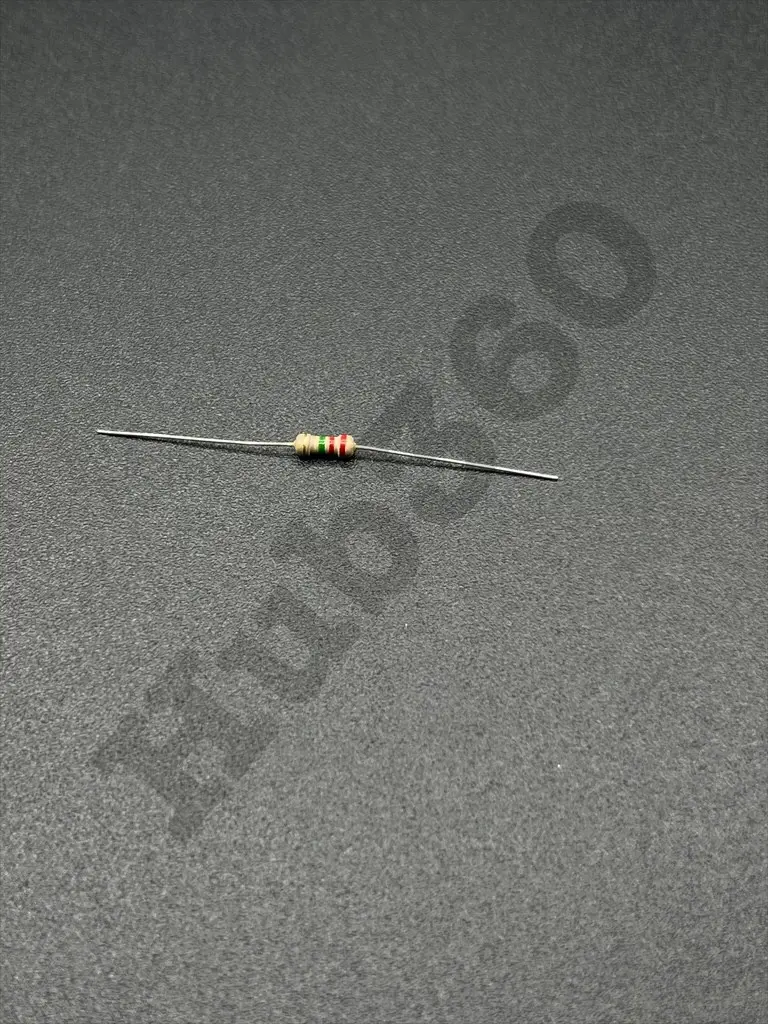
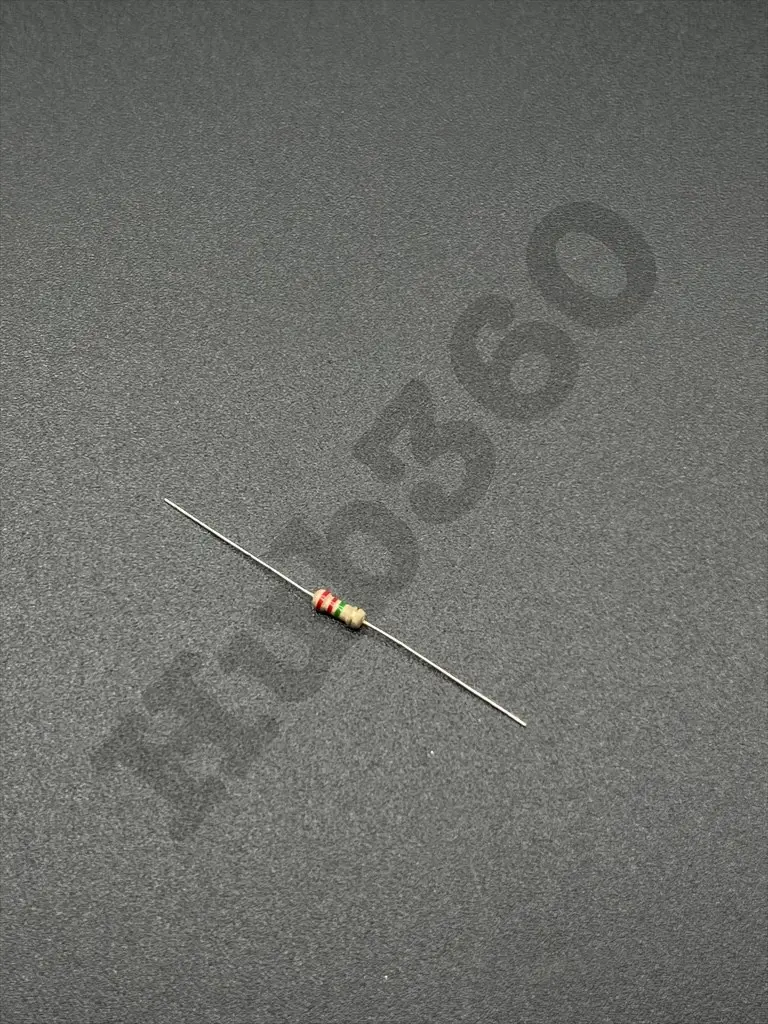
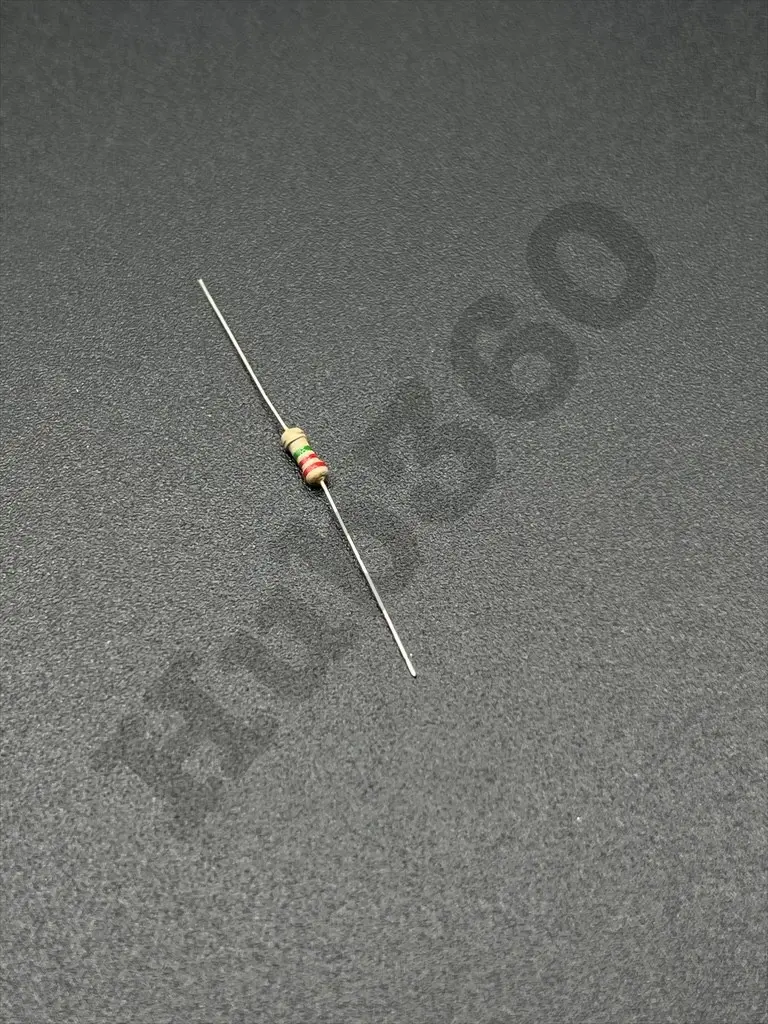
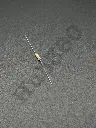
2.2MΩ 1/4W resistor
A 2.2MΩ (2,200,000 ohms) 1/4 watt resistor is a high-value resistor used in electronic circuits to achieve a resistance of 2.2 million ohms while managing up to 0.25 watts of power. It is typically used in applications that require precise high-resistance values, such as in voltage divider circuits, biasing networks, and signal conditioning.
Key Features:
- Resistance: 2.2MΩ
- Power Rating: 1/4W (0.25 watts)
- Tolerance: ±5% (commonly), with ±1% available for precision applications
- Temperature Coefficient: Typically ±100ppm/°C or ±200ppm/°C
- Resistance: 2.2MΩ
- Power Rating: 1/4W (0.25 watts)
- Tolerance: ±5% (J), ±1% (F), depending on the type
- Temperature Coefficient: ±100ppm/°C or ±200ppm/°C
- Operating Temperature Range: -55°C to +155°C
- Body Size: Typically through-hole with axial leads (1/4W size)
- Material: Carbon film, metal film, or metal oxide, depending on the resistor type
- High-Value Resistors: Used in circuits requiring high resistance values for accurate operation.
- Voltage Divider: Part of circuits that divide voltage into specific levels.
- Biasing: Sets the correct operating point for transistors and other semiconductor devices.
- Pull-up/Pull-down: Ensures proper logic levels in digital circuits.
- Placement: Place the resistor in the designated location on the circuit board.
- Insertion: Insert the leads through the board holes or slots.
- Soldering: Solder the leads and trim any excess for a secure connection.
- Verification: Use a multimeter to verify the resistor’s value matches the specified resistance.
- Power Dissipation: Avoid exceeding the 0.25-watt power rating to prevent overheating.
- Voltage Rating: Ensure the resistor’s voltage rating suits your circuit’s requirements.
- Handling: Handle with care to prevent damage during installation and soldering.
No Specifications