

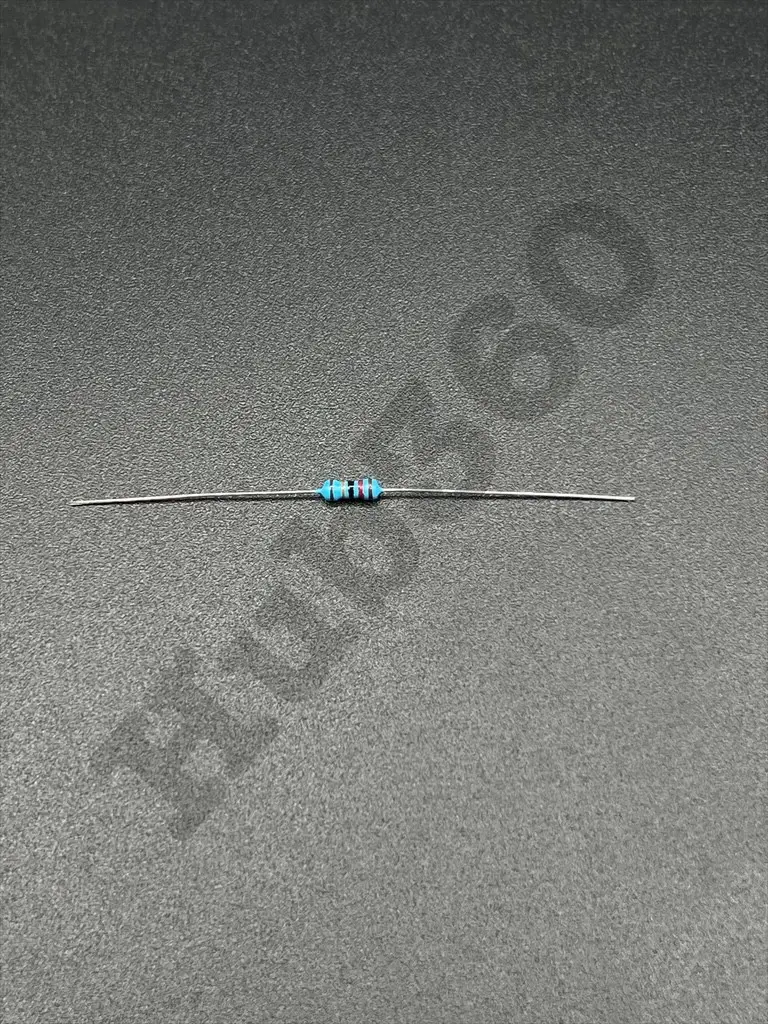
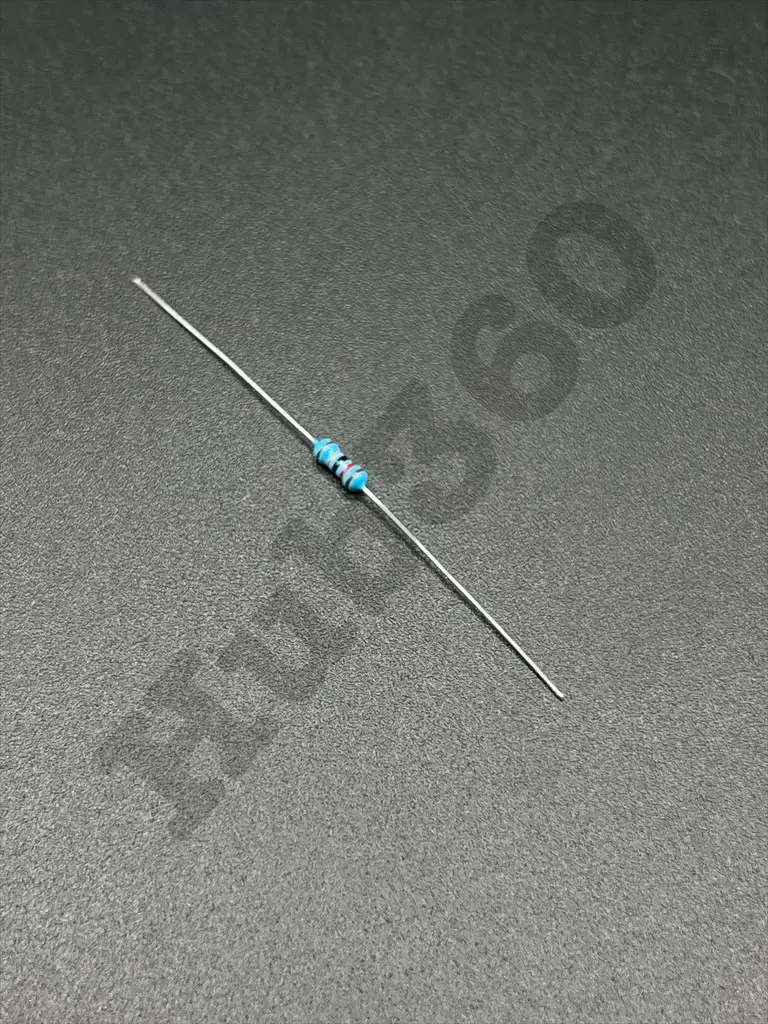
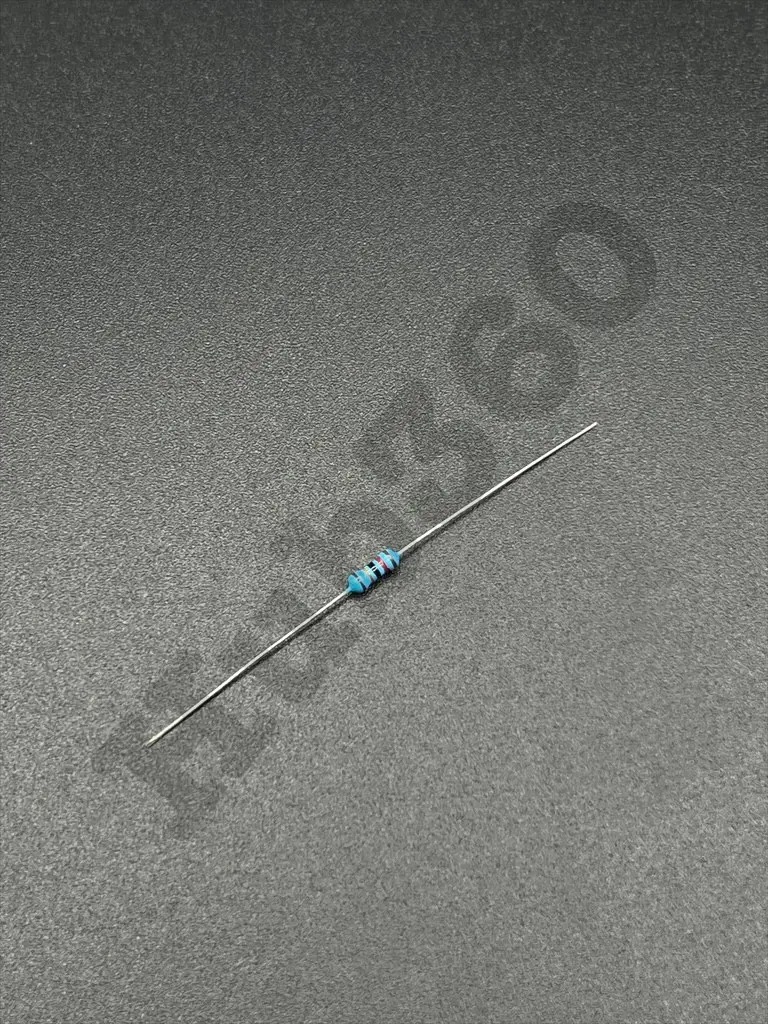
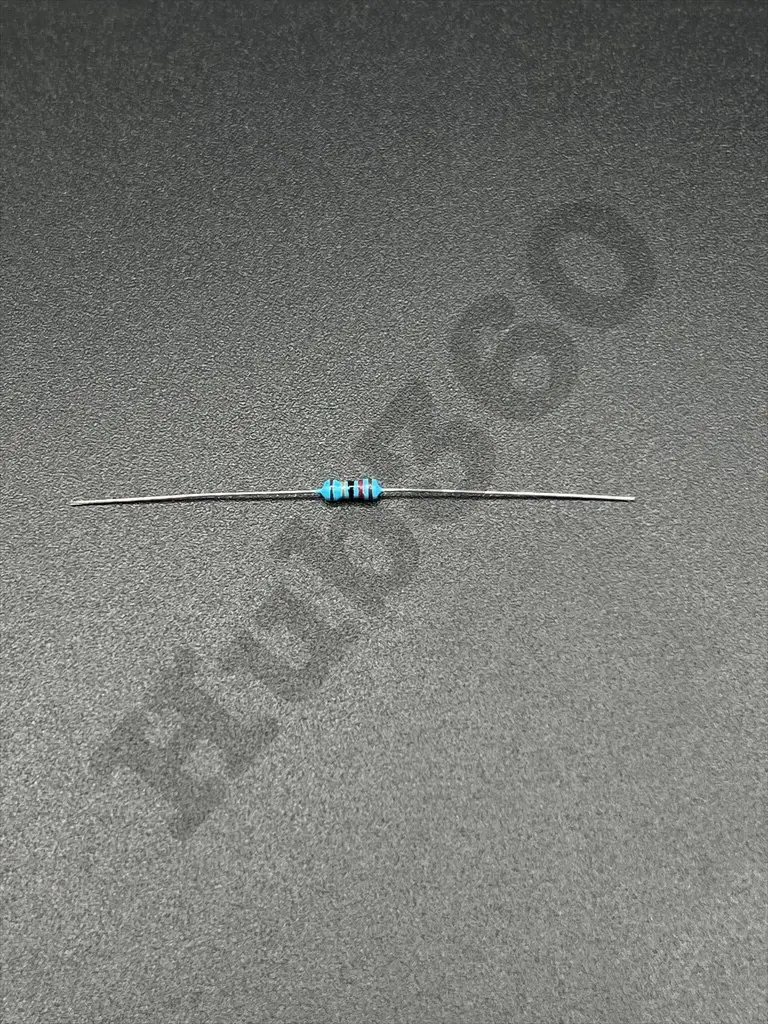




120KΩ 1/4W resistor
A 120KΩ (120,000 ohms) 1/4 watt resistor is a fixed-value resistor designed to provide a resistance of 120,000 ohms with a power dissipation capacity of up to 0.25 watts. It is widely used in electronic circuits for various functions such as setting bias levels, voltage division, and current limiting.
Key Features:
- Resistance: 120KΩ
- Power Rating: 1/4W (0.25 watts)
- Tolerance: ±5% (commonly), with ±1% available for precision types
- Temperature Coefficient: Typically ±100ppm/°C or ±200ppm/°C for general-purpose resistors
- Resistance: 120KΩ
- Power Rating: 1/4W (0.25 watts)
- Tolerance: ±5% (J), ±1% (F), depending on the specific resistor type
- Temperature Coefficient: ±100ppm/°C or ±200ppm/°C
- Operating Temperature Range: -55°C to +155°C
- Body Size: Typically through-hole with axial leads (1/4W size)
- Material: Carbon film, metal film, or metal oxide, depending on the type
- Current Limiting: Controls the current flow to protect circuit components.
- Voltage Division: Used in voltage dividers to create specific voltage levels.
- Biasing: Sets the operating points for transistors and other semiconductor devices.
- Signal Conditioning: Adjusts signal levels or impedance in electronic circuits.
- Placement: Insert the resistor into the appropriate positions on the circuit board.
- Insertion: Feed the resistor leads through the designated holes or slots.
- Soldering: Solder the leads to the circuit board and trim any excess.
- Verification: Use a multimeter to check the resistance value and ensure proper installation.
- Power Dissipation: Ensure the resistor does not exceed its 0.25-watt power rating to avoid overheating.
- Voltage Rating: Confirm that the resistor's voltage rating meets the requirements of your circuit.
- Handling: Handle the resistor with care to prevent physical damage.
No Specifications