
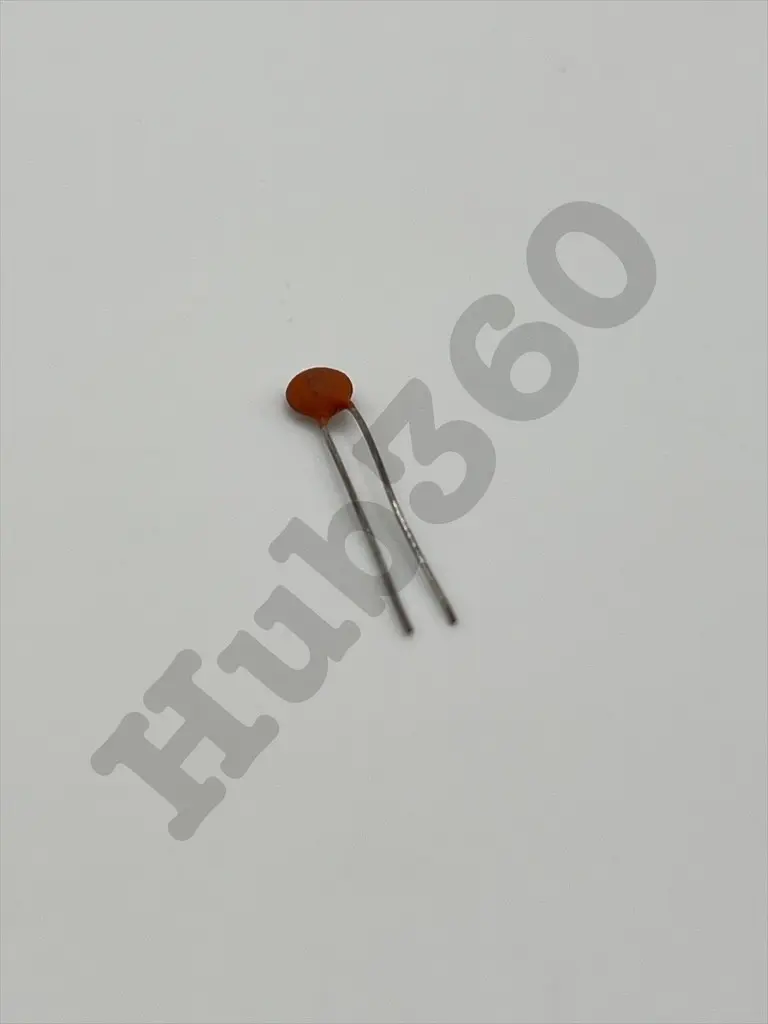
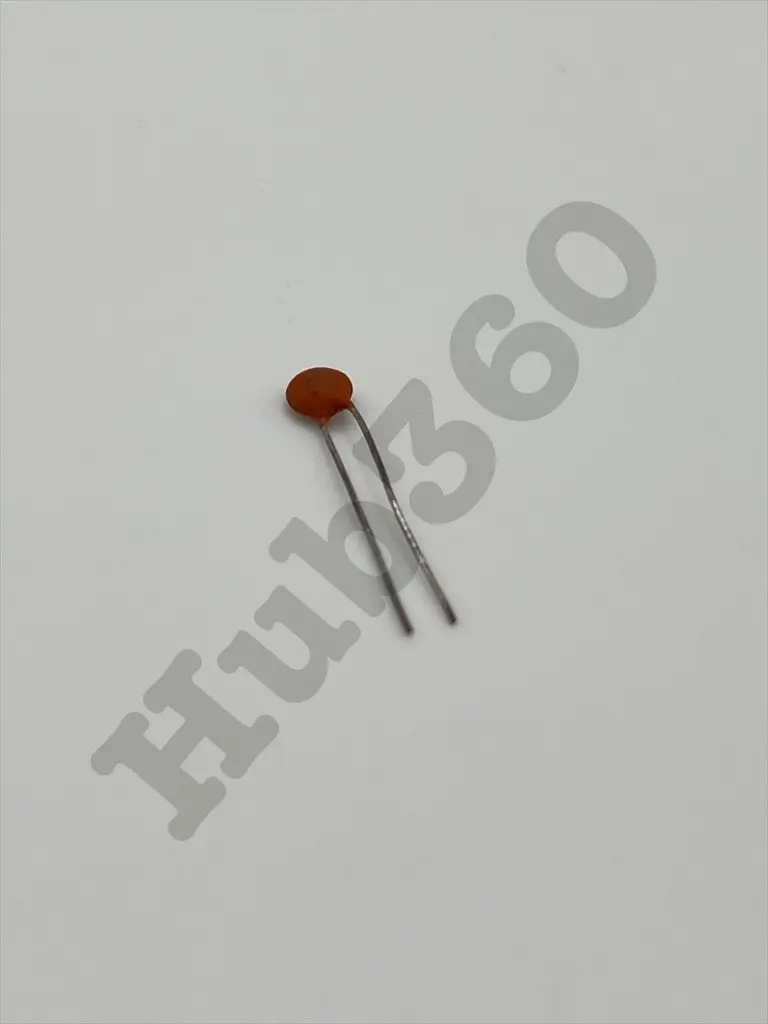
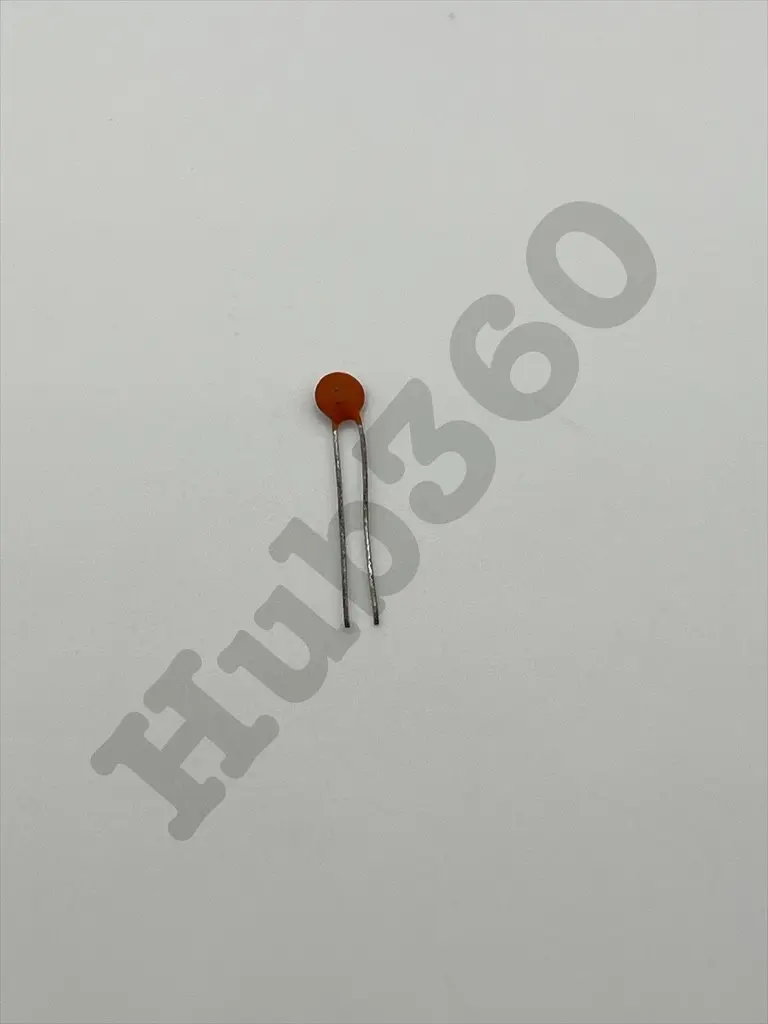
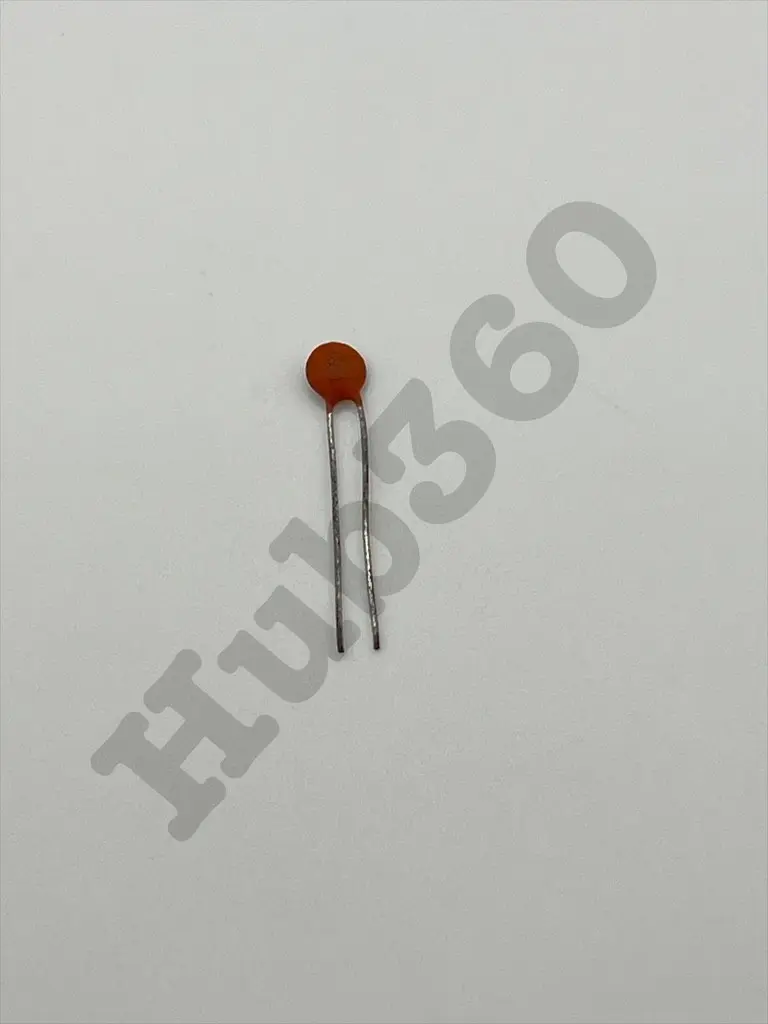

82pf capacitor
The 82pF capacitor is a small electronic component used to store and release electrical energy in various circuits. It has a capacitance value of 82 picofarads, making it suitable for high-frequency applications, tuning circuits, and signal filtering. Capacitors of this value are often used in RF (radio frequency) circuits, oscillators, and other electronic devices where precise capacitance is required.
Key Features:
- Capacitance value of 82 picofarads (pF)
- High-frequency performance
- Compact size
- Typically made from ceramic or other dielectric materials
- Stable capacitance over a range of temperatures and frequencies
- Capacitance: 82pF
- Tolerance: Typically ±5% or ±10%Â
- Voltage Rating: 50V
- Type: Ceramic, tantalum, or other dielectric material
- RF circuits and oscillators
- Signal filtering and tuning
- High-frequency applications
- Timing circuits in electronic devices
- Capacitor networks and matching circuits
- Ensure the circuit is powered off before installation.
- Insert the capacitor into the appropriate positions on the circuit board or socket.
- Solder the capacitor leads if necessary, ensuring correct polarity if required.
- Verify the capacitor is securely connected and test the circuit for proper operation.
- Ensure the capacitor's voltage rating is appropriate for your circuit to prevent breakdown.
- Handle with care to avoid damage to the capacitor or surrounding components.
- Verify capacitance and tolerance values to ensure compatibility with your design.
No Specifications