
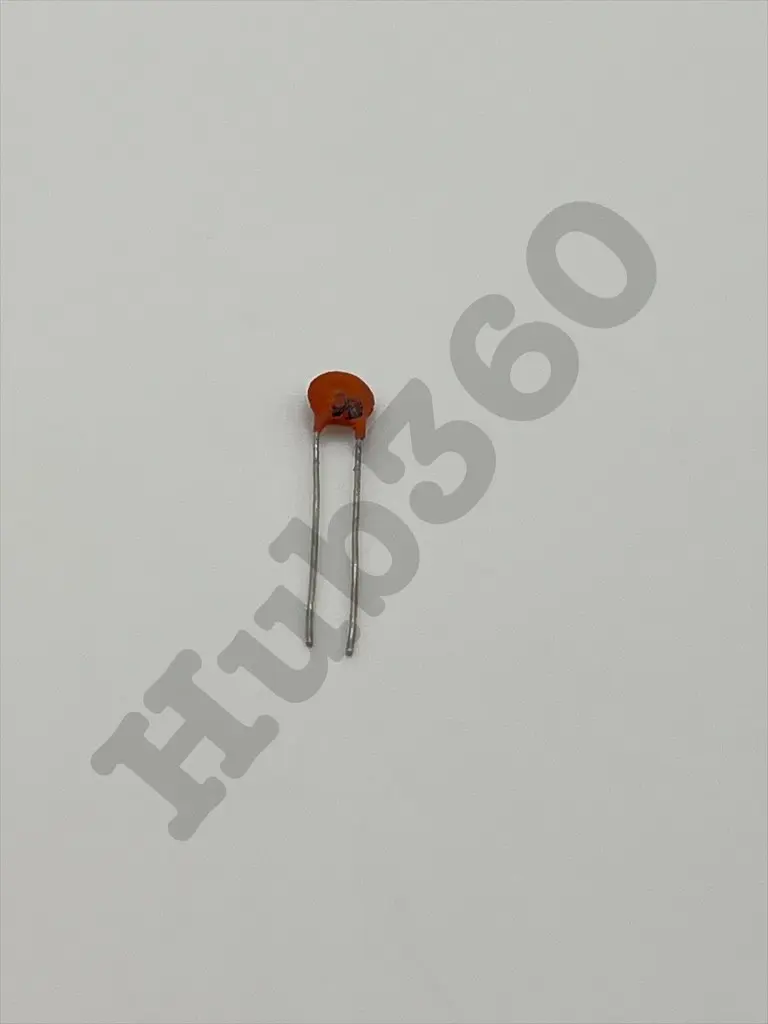
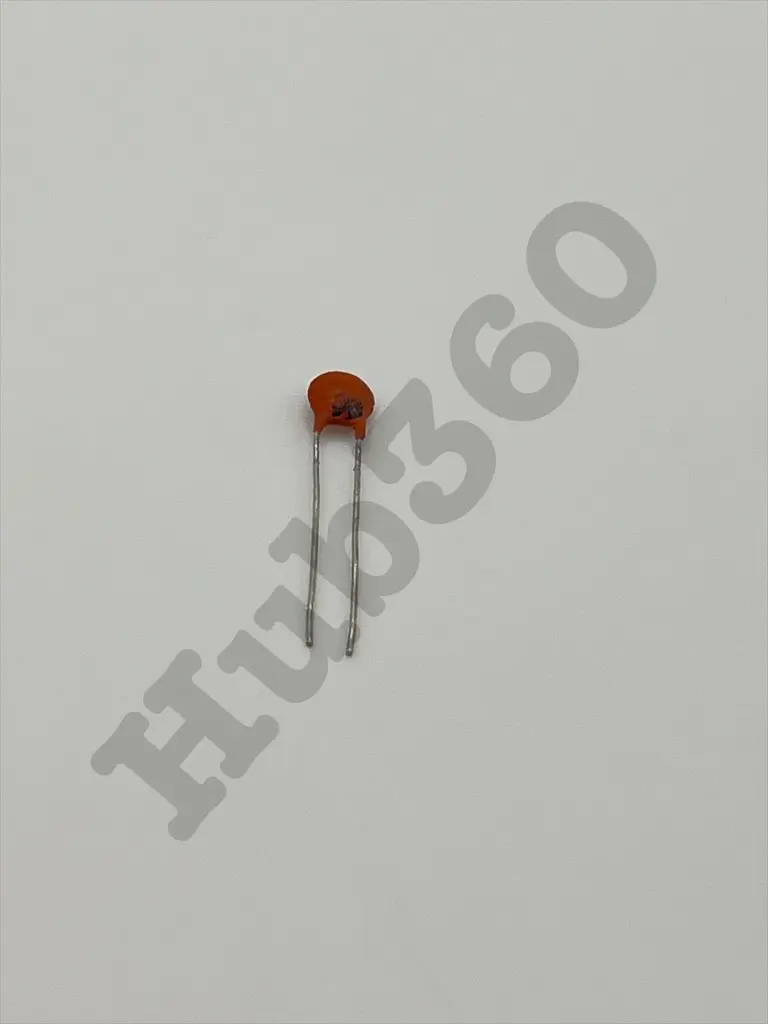
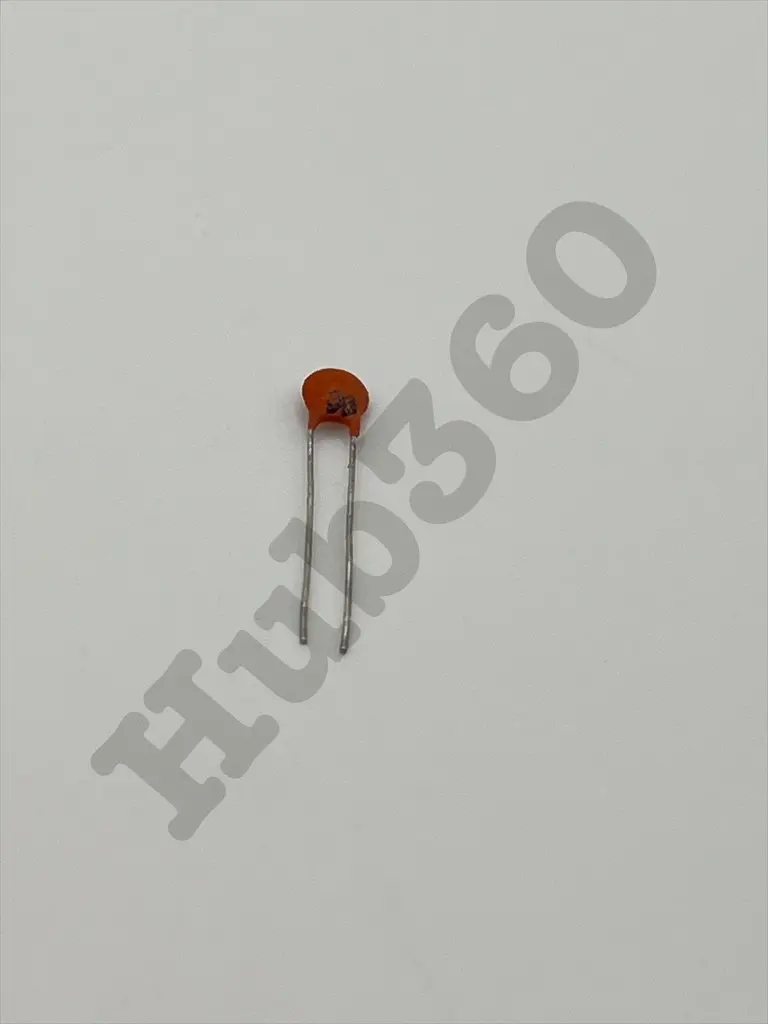
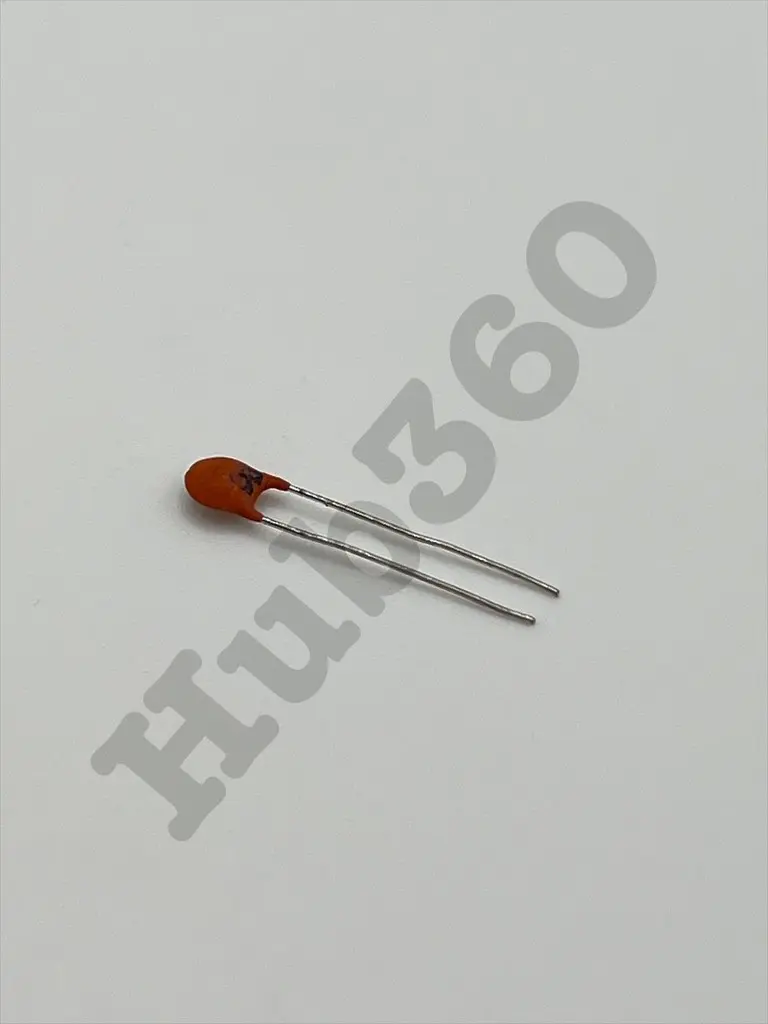
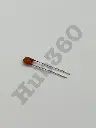
33pf capacitor
The 33pF (picofarad) capacitor is a small-value capacitor used in electronic circuits for tuning, filtering, and signal coupling applications. It is designed to store and release electrical energy, helping to stabilize and smooth out electrical signals. This capacitor is often used in high-frequency applications where precise capacitance is crucial.
Key Features:
- Capacitance value of 33pF
- Suitable for high-frequency applications
- Helps in tuning and filtering circuits
- Stable performance with low equivalent series resistance (ESR)
- Compact size for easy integration into small circuits
- Capacitance: 33pF
- Tolerance: Typically ±5%
- Voltage Rating: 50V
- Type: Monolithic ceramic
- Package Type: Through-hole
- RF (Radio Frequency) circuits
- Oscillator circuits
- Signal coupling and decoupling
- Tuning circuits
- High-frequency filters
- Ensure the circuit is powered off before replacing or installing the capacitor.
- Identify the correct polarity if using an electrolytic capacitor; for ceramic capacitors, polarity is not a concern.
- Solder the capacitor leads to the appropriate positions on the PCB (Printed Circuit Board) or connect it to the circuit as needed.
- Check the circuit functionality to ensure proper operation after installation.
- Verify the voltage rating of the capacitor to ensure it is suitable for your application.
- Avoid mechanical stress on the capacitor to prevent damage.
- Handle with care to avoid static discharge, especially for ceramic capacitors.
No Specifications