
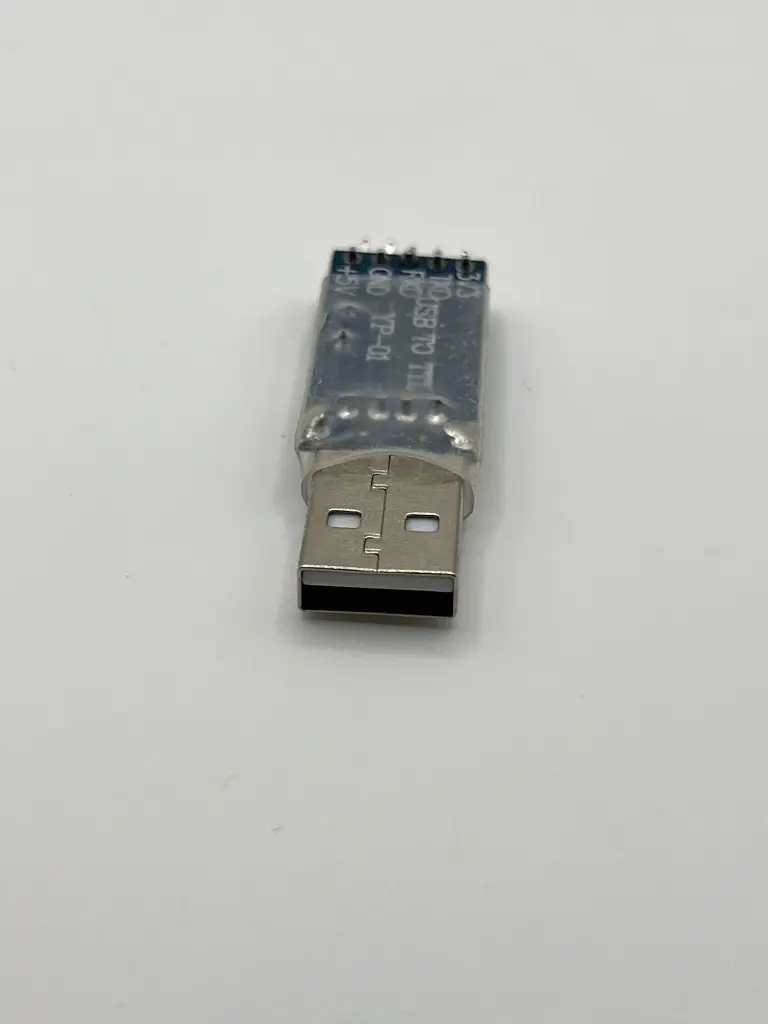
Pulse sensor kit
The Pulse Sensor Kit is a comprehensive package designed for measuring heart rate and pulse rate. It typically includes a pulse sensor, connectors, and sometimes additional components such as cables and mounting accessories. This kit is used in various applications including health monitoring, fitness tracking, and biomedical research.
Key Features:
- Measures pulse rate and heart rate
- Non-invasive sensor for easy attachment to the body
- Provides real-time data on pulse rate
- Compatible with microcontrollers and development boards for data acquisition
- Includes necessary components for easy integration
- Sensor Type: Optical pulse sensor
- Measurement Range: Typically 30 to 240 beats per minute (BPM)
- Operating Voltage: 3.3V to 5V DC
- Output Signal: Analog or digital pulse signal
- Connector Type: Usually includes a 3-pin or 4-pin connector
- Cable Length: Varies by kit, typically around 1 to 2 meters
- Body Material: Plastic and optical components
- Temperature Range: Typically 0°C to +50°C
- Health and fitness monitoring
- Heart rate tracking for medical research
- Integration with wearable devices
- Real-time pulse rate measurement in various systems
- Educational projects in biomedical electronics
- Attach the pulse sensor to the fingertip or earlobe as per the kit instructions.
- Connect the sensor to a microcontroller or development board using the provided cables.
- Power the sensor with the appropriate voltage (3.3V or 5V DC).
- Use the output signal to monitor pulse rate and heart rate through your software or display system.
- Integrate the sensor data into your project or application as needed.
- Ensure the sensor is attached securely and correctly to avoid inaccurate readings.
- Follow the manufacturer's guidelines for voltage and current ratings to prevent damage.
- Regularly calibrate and maintain the sensor for accurate performance.
No Specifications