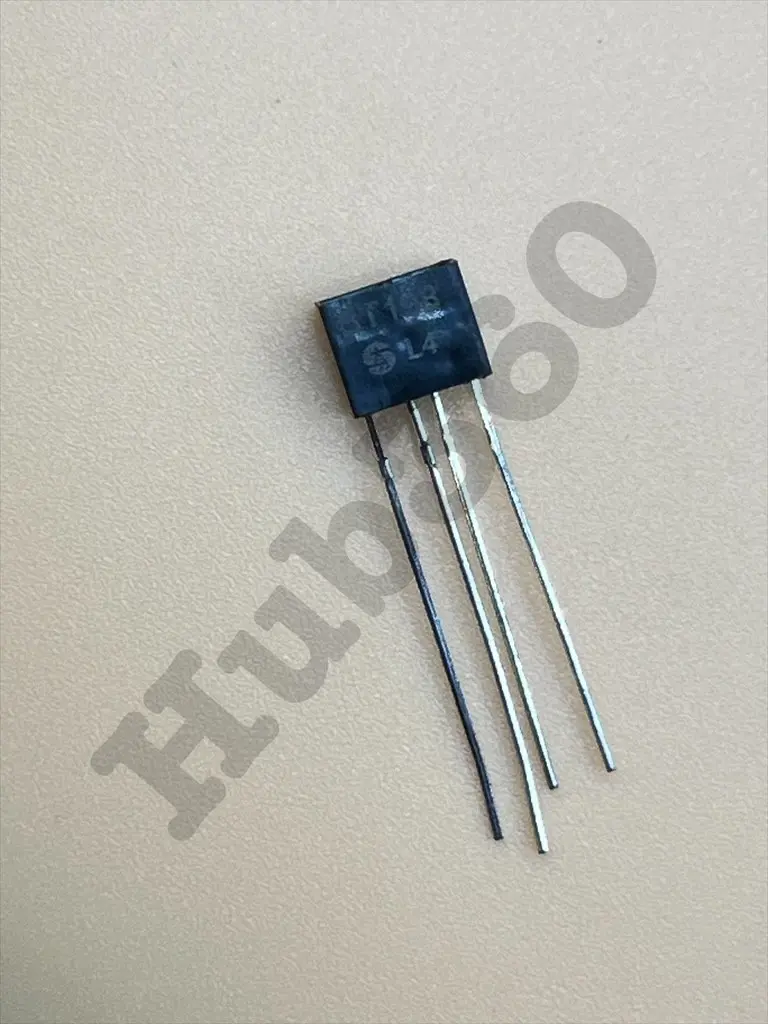
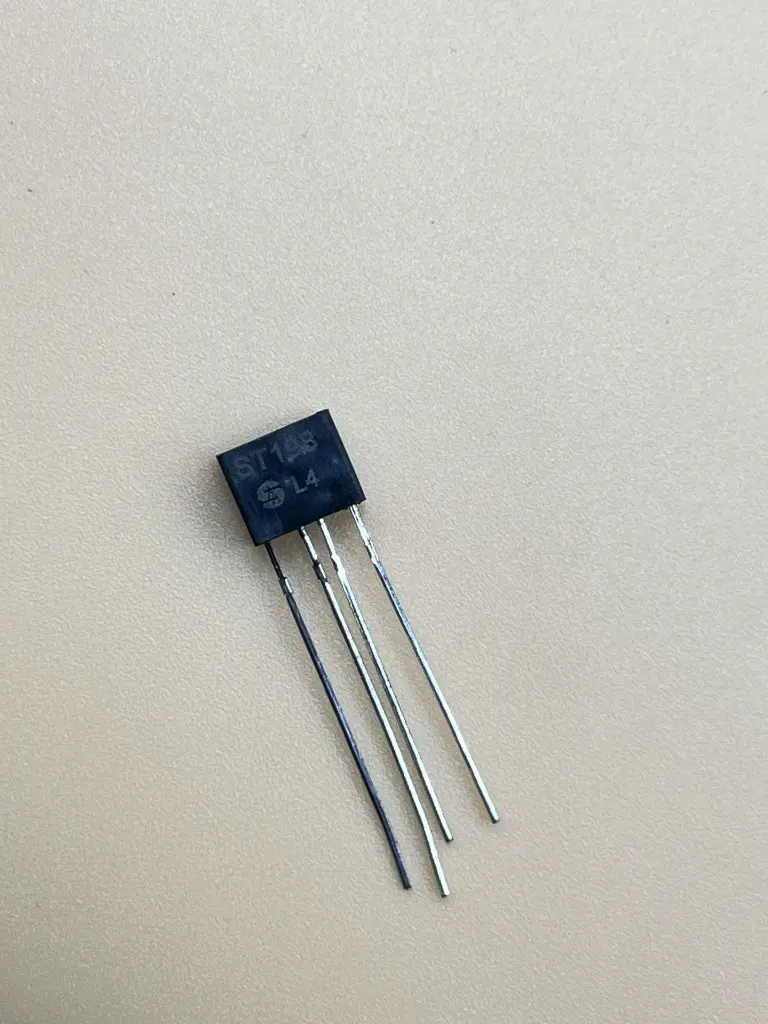
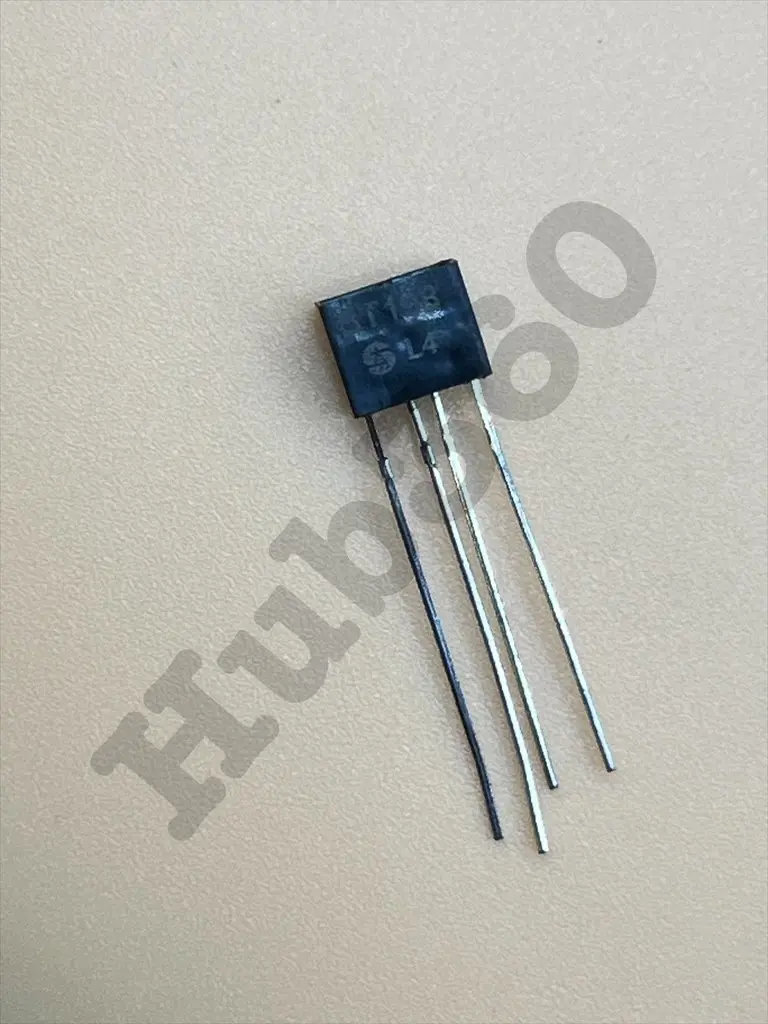
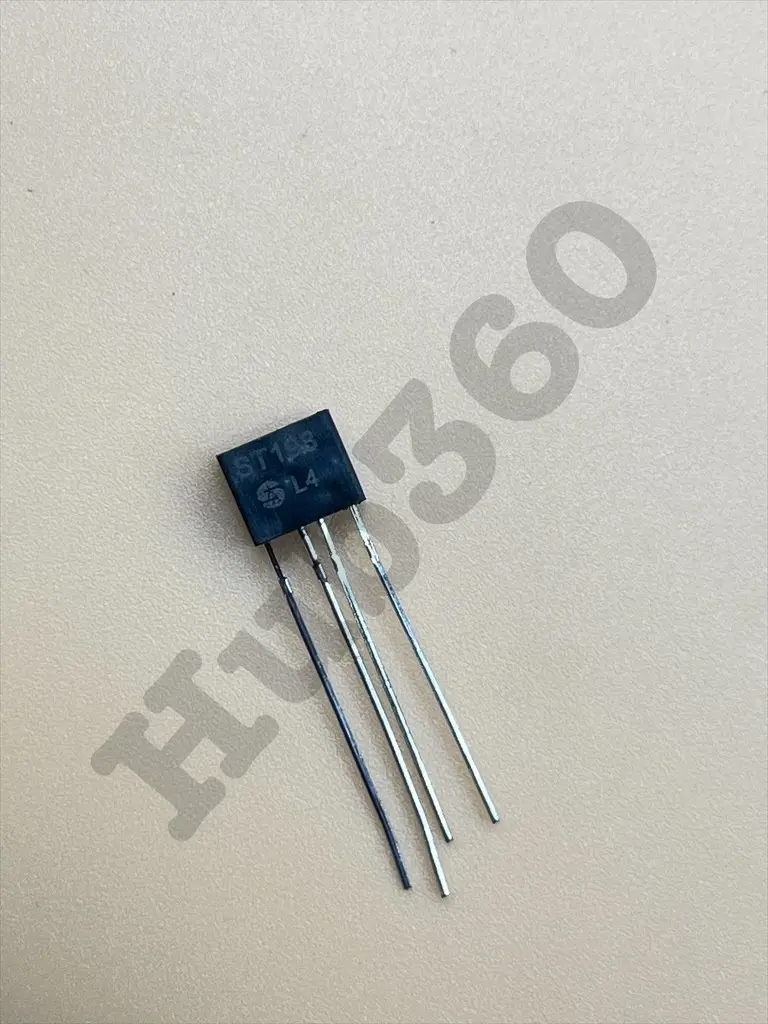
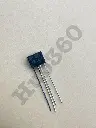
The ST198 Reflective Photoelectric Sensor is designed for precise and reliable detection of objects in a variety of applications. Utilizing infrared light, this sensor can detect the presence or absence of objects without direct contact, making it ideal for automation, robotics, and industrial applications. The compact and durable design ensures longevity and consistent performance in diverse environments.
Key Features:
Reflective sensing technology
High sensitivity and accuracy
Compact and robust design
Easy installation and adjustment
Long sensing range
Technical Specifications:
Sensing Method: Reflective
Sensing Distance: 10-30 cm (adjustable)
Light Source: Infrared LED
Supply Voltage: 12V DC
Output Type: NPN/PNP (depending on model)
Response Time: <1ms
Operating Temperature: -10°C to +50°C
Housing Material: ABS plastic
Protection Rating: IP65
Applications:
Automation systems
Robotics
Conveyor systems
Object detection
Packaging machinery
Safety barriers
Usage:
Installation: Mount the sensor in a stable position where it can detect the target object.
Connection: Connect the sensor to a suitable power supply and interface with your control system.
Adjustment: Adjust the sensitivity to ensure reliable detection of the target object within the desired range.
Testing: Test the sensor by placing objects within the sensing range and observing the output signal.
Caution:
Ensure correct wiring to avoid damage to the sensor.
Do not expose the sensor to direct sunlight or strong light sources.
Keep the sensor lens clean for optimal performance.