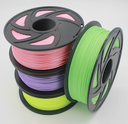

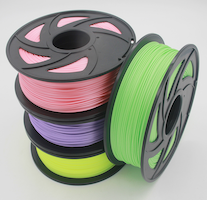
PCL low Temperature 3D printer filament 1.75mm 1kg
PCL (Polycaprolactone) low-temperature 3D printer filament is a biodegradable thermoplastic that melts at a lower temperature compared to traditional 3D printing materials like PLA and ABS. It is known for its ease of use, biocompatibility, and ability to be shaped and reshaped multiple times.
Key Features:
- Filament Diameter: 1.75mm
- Weight: 1 Kg (approximately 2.2 lbs)
- Material Type: PCL (Polycaprolactone)
- Color: Natural white or transparent
- Printing Temperature: Lower melting temperature, typically around 60°C to 70°C
- Bed Temperature: Not always required; some printers may not need a heated bed
- Print Speed: Moderate print speeds recommended for best results
- Flexibility: High flexibility and elasticity, suitable for applications requiring soft, moldable parts
- Biodegradability: Environmentally friendly and biodegradable over time
- Compatibility: Compatible with most FDM/FFF 3D printers that support low-temperature filaments
- Density: Typically ranges around 1.1 g/cm³
- Tensile Strength: Lower tensile strength compared to ABS and PLA
- Flexural Strength: Good flexibility and resilience to bending
- Storage: Store in a cool, dry place away from direct sunlight to maintain filament quality
- Certifications: Generally considered safe and non-toxic
- Education: Ideal for educational settings due to its safe handling and low melting point.
- Prototyping: Suitable for rapid prototyping and iterative design processes.
- Medical: Used in medical applications for temporary implants and prosthetics.
- Art and Crafts: Suitable for artistic creations and crafts due to its moldable nature.
- Biodegradable Products: Used for creating environmentally friendly products and prototypes.
No Specifications